E-mobility
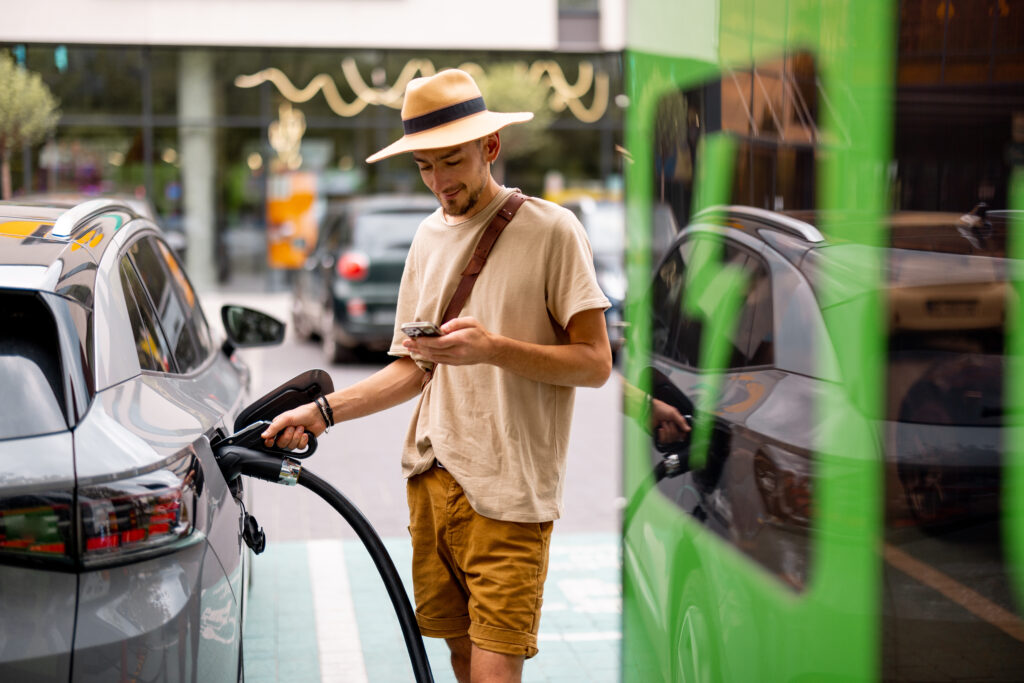
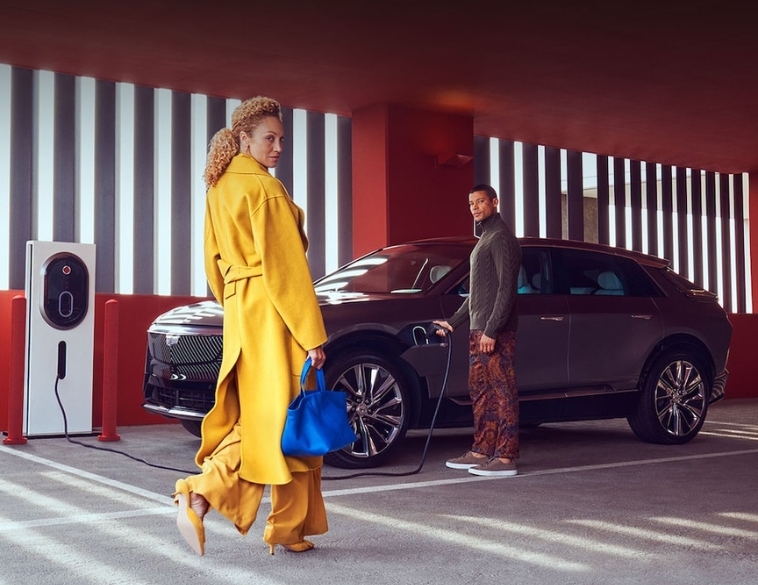
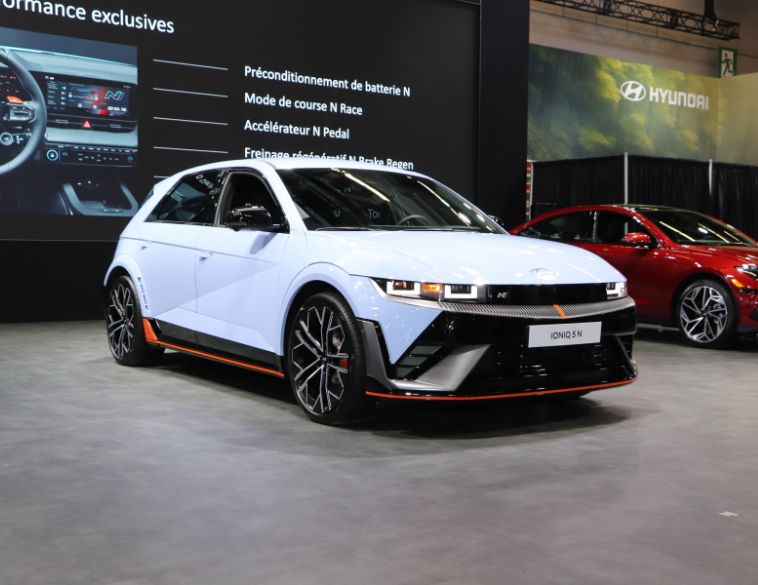
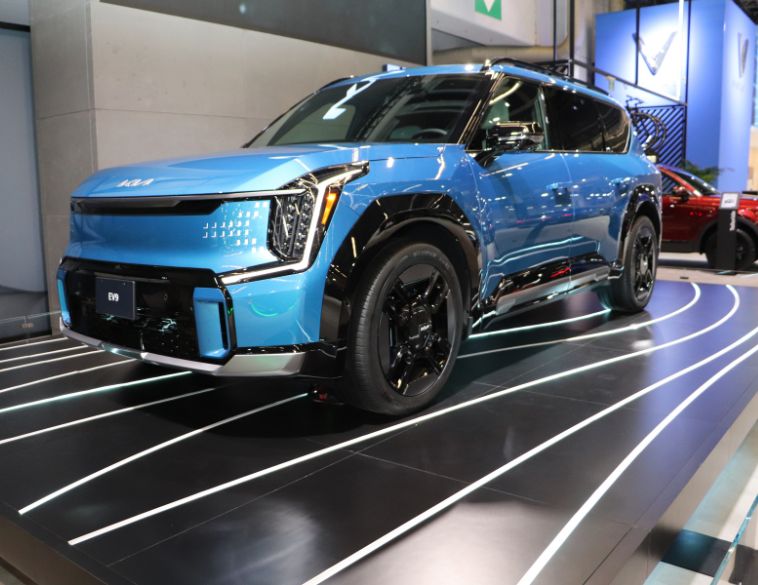
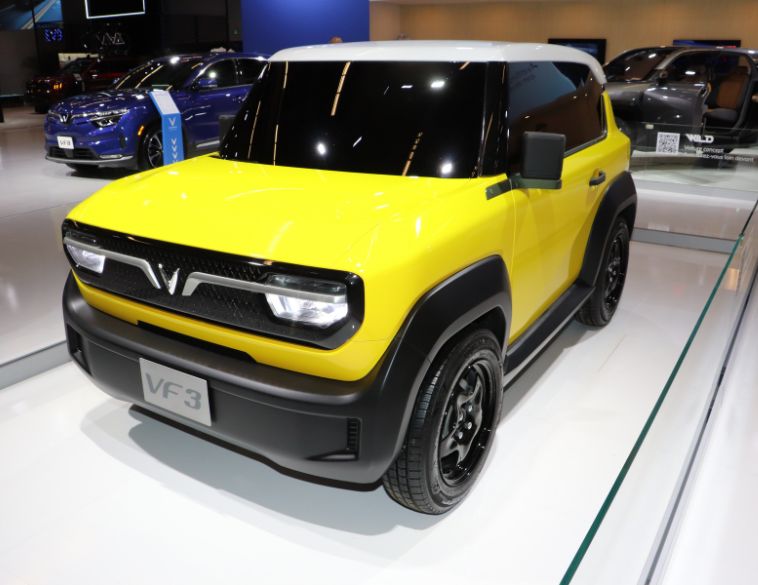
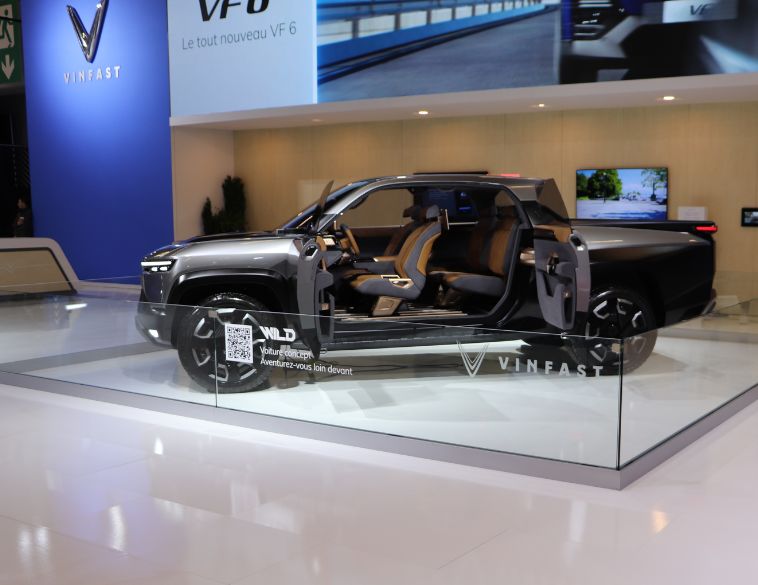
If Thomas Edison could see the series of events he helped put in motion that has led to the wonders of electric mobility (or e-mobility for short) that we see today, he would certainly be amazed. Companies like Hydro One, Ontario Power Generation and Tesla, to name just a few, owe their very existence to the innovations Thomas Edison brought to market. Consider, as well, how our industry is changing now as the ICE vs EV showdown continues, and as conversations with customers begin to focus on electric vehicles, EV batteries, hybrid powertrains, and even zero emission vehicles and the ZEV market in general. Despite the supply chain challenges the automotive industry has been struggling with for years, the battery electric vehicle (BEV) market is moving ahead, and EV sales are up, as a growing number of consumers consider their personal carbon footprint, and wonder if a vehicle that runs on a rechargeable battery is the answer.
Future of transportation
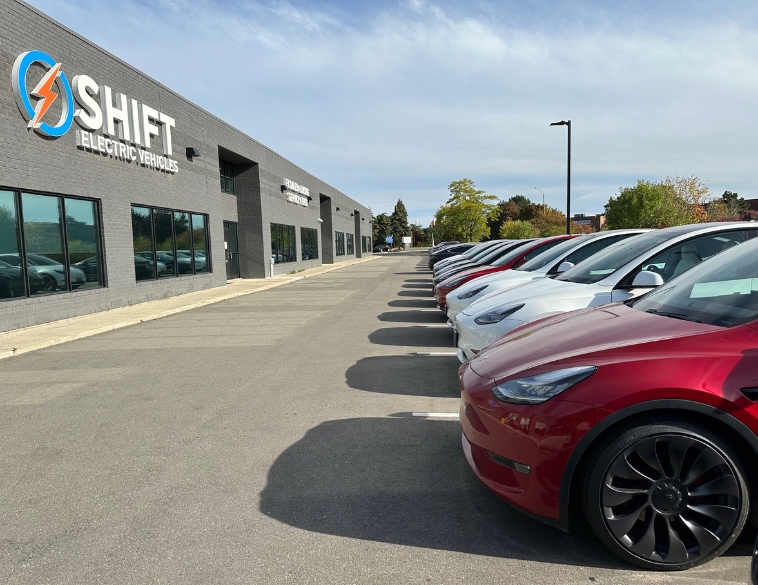
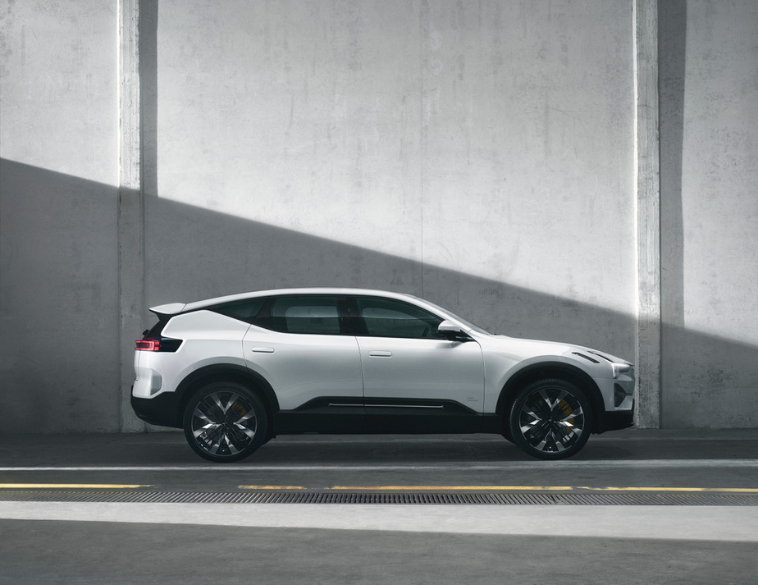
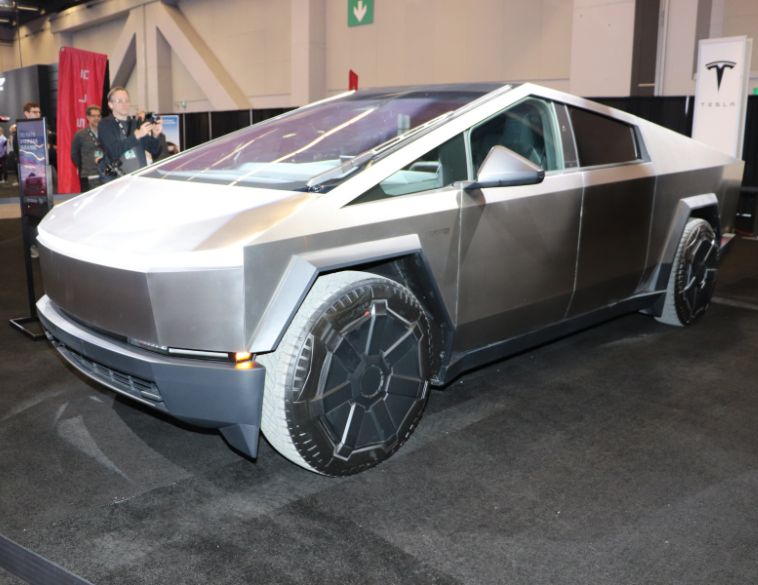
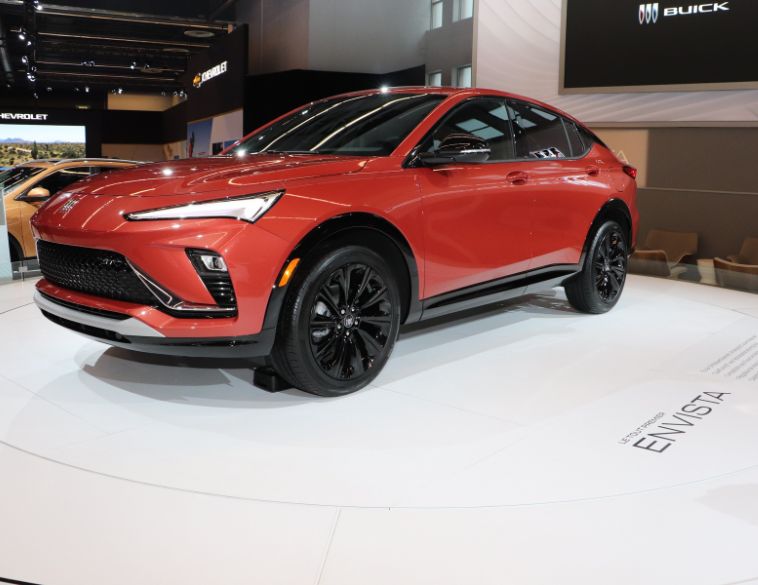
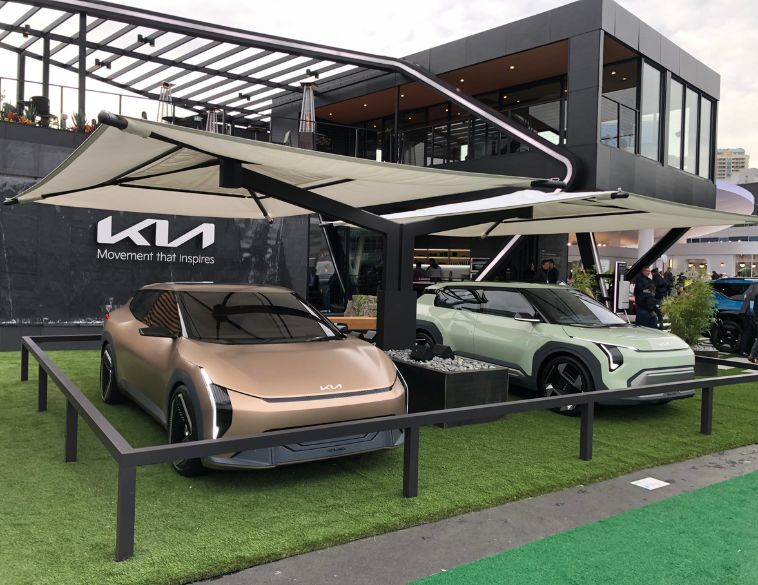
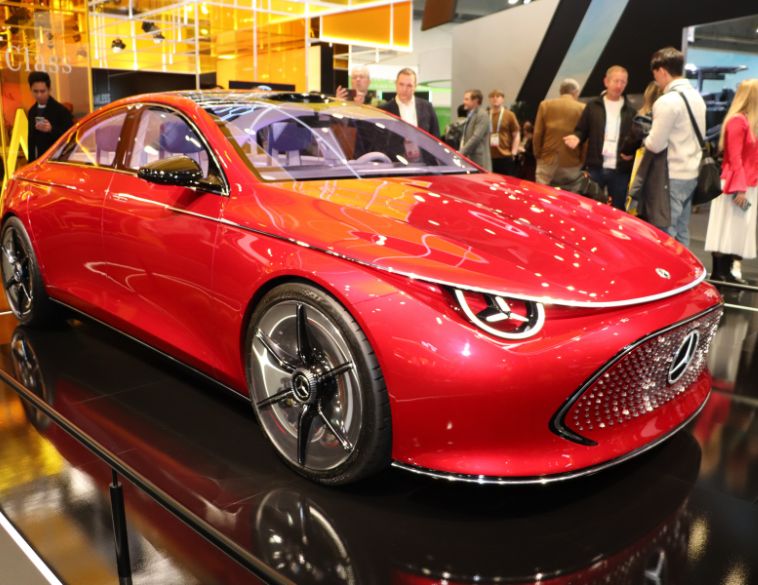
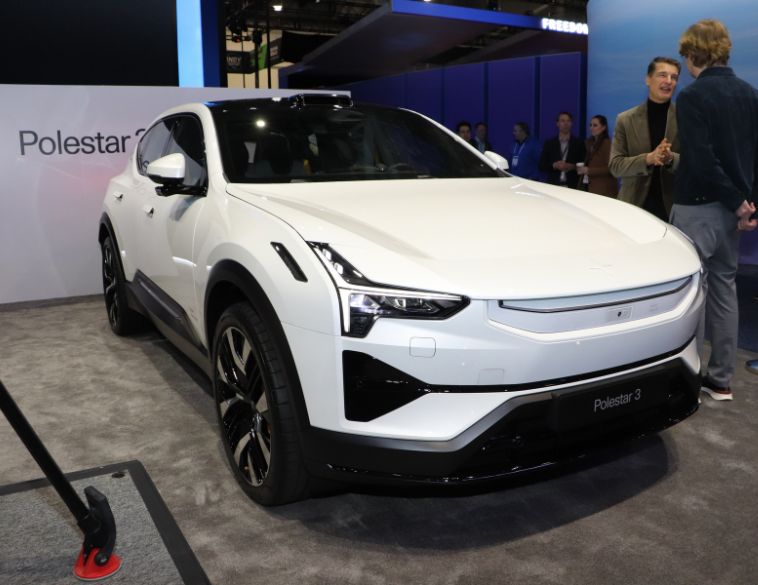
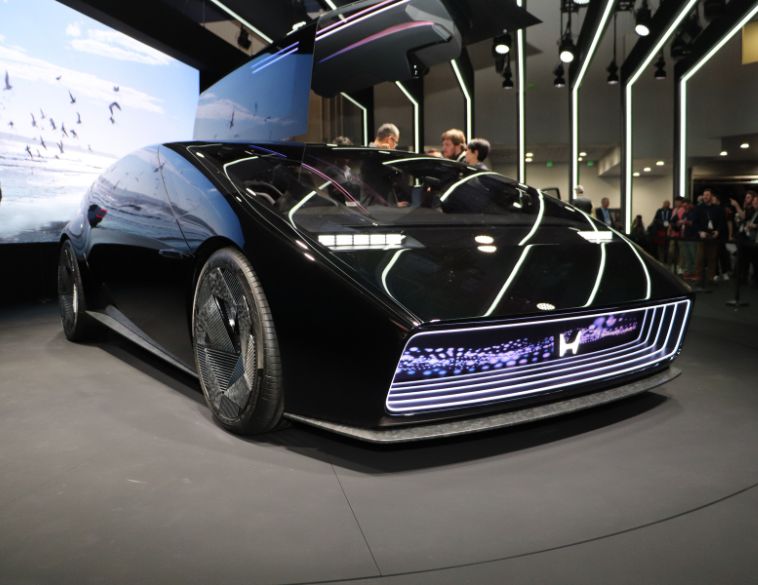
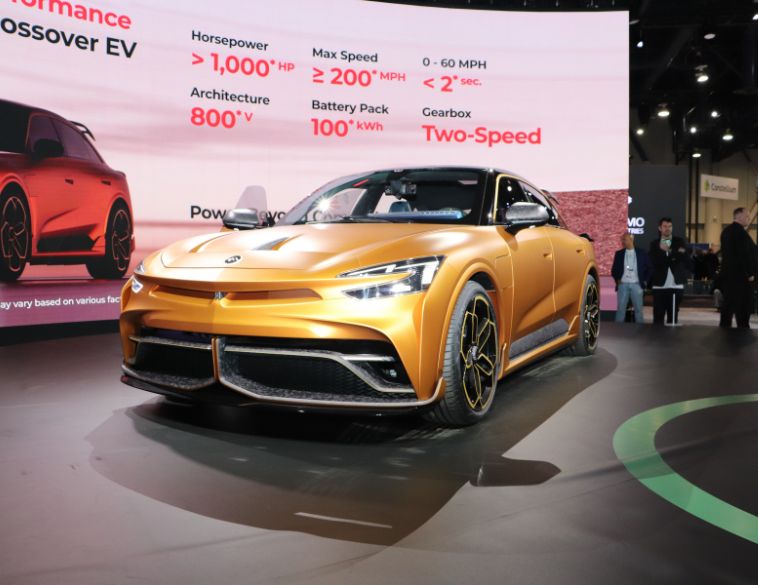
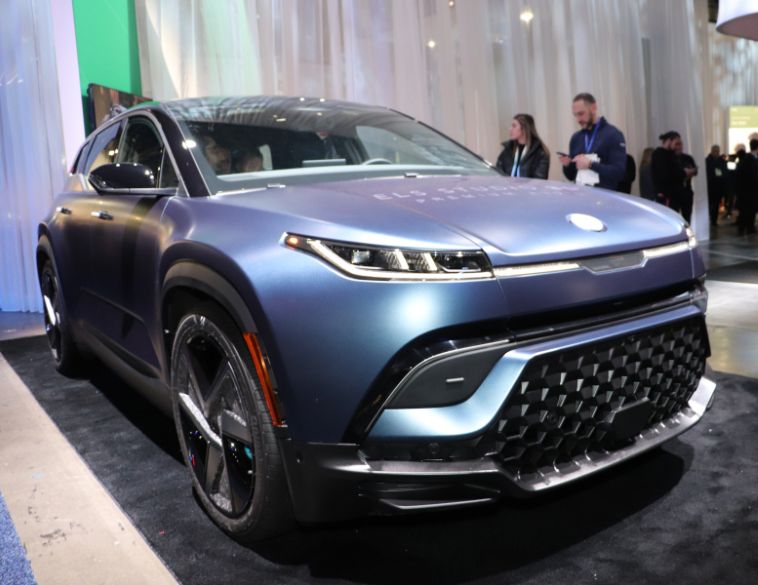
With EV adoption rates on the rise, we may well wonder what our industry will look like in the years to come. When you think about the success of vehicles like the Tesla Model 3 or the brand’s Y model, we can see the potential in new brands, like Polestar, that are designed to raise consumers’ heart rates. The appetite for a more exciting electric vehicle seems to be growing, and manufacturers that can bring to market EVs that are not only practical, but also appealing to the senses, are bound to rise to the top.
EV battery service
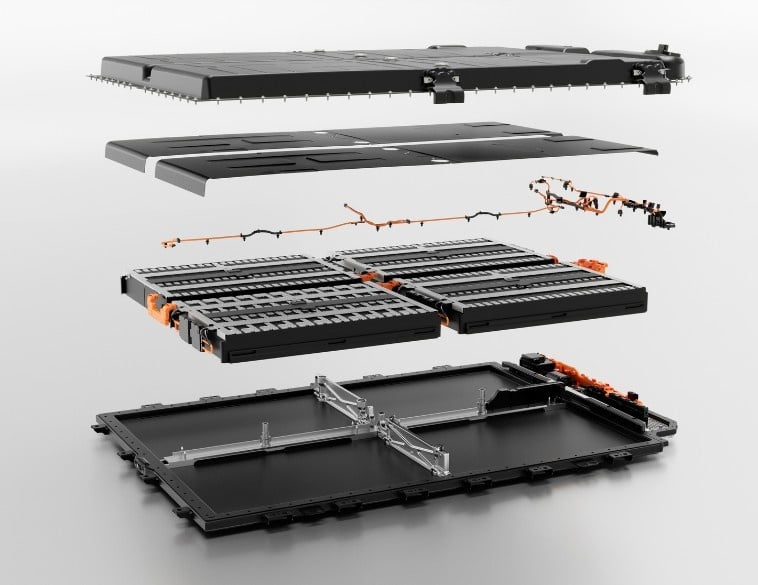
As the zero emission vehicle market continues to grow, so will opportunities to service these vehicles, and the many types of batteries they will come to market with. This will require a completely different set of skills. Consider the typical Tesla technician. No longer concerned with oil changes and the traditional needs of internal combustion engines, he spends much of his time working on electric motors or assessing the health and needs of the EV battery. The Li-ion battery is now king, and battery maintenance is the focus for these modern techs. Naturally, as these batteries wear out, battery recycling will become an even bigger issue for our industry to deal with. Battery manufacturers will have to work with key stakeholders, including OEMs, to find solutions. Zero emissions is a lofty goal, but if the propulsion system creates big problems, then it needs to be addressed. Our industry needs to answer many complex questions. Will battery evolution lead to better battery materials? Will we have to change the way we’re manufacturing EV batteries? Will connecting all these battery electric vehicles to the electrical grid shrink or expand the EV carbon footprint? And will the emissions reduction plan we’re setting in place in North America, and the world, provide the energy security we all crave, as well as reduce energy consumption overall? Or are we setting ourselves up for a future where we’re simply creating more hazardous waste? We’re living in exciting times, and vehicle electrification is changing our industry and our world. What that world will look like in the next few years, will largely depend on our priorities and on the solutions we develop and put in place.