
Built for What’s Next: The Tire Trends Shaping 2026
Autosphere » Tires »
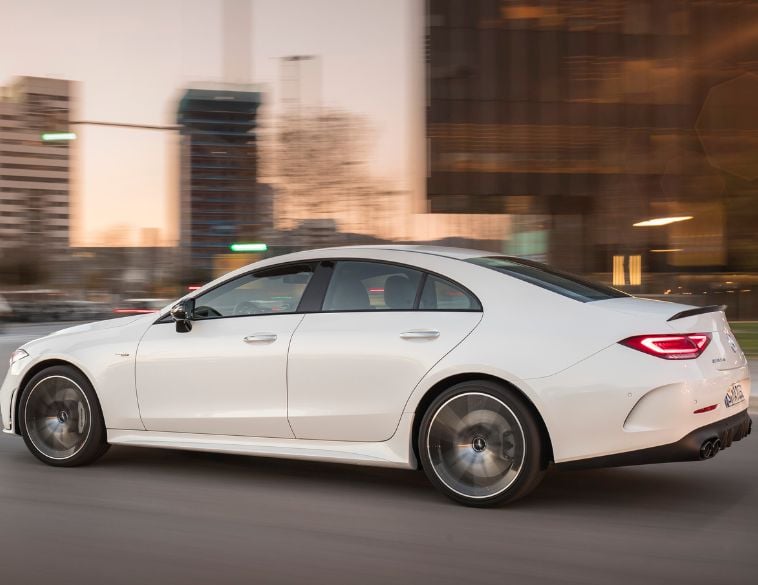
The passenger tire market continues to evolve. (Credit : Mercedes-Benz)
From EV-driven engineering shifts to the rise of all-weather and XL-rated tires, manufacturers are adapting products to meet changing vehicle demands and evolving consumer expectations.
As the automotive landscape continues to change and evolve, tire manufacturers are keeping pace with innovations and improvements to the products they bring to market. As we enter 2026, a number of key trends are taking shape within the automotive industry, and it’s clear that tire manufacturers are paying attention.
For starters, the electrification of a growing number of vehicles is having a noticeable impact on the tire market. “The rise of EVs and plug-in hybrids is influencing how passenger tires are being developed across the market,” says Aadil Dutli, Product Segment Manager, PLT & STR at Dynamic Tire. “Even when a tire isn’t marketed as EV-specific, manufacturers are designing around heavier vehicle weights, instant torque, and higher expectations for ride quality.”
According to Dutli, EV drivers expect to enjoy a quiet passenger cabin. Since tire and road noise are far more noticeable without an engine, tire manufacturers are looking at noise-reduction technologies. “These improvements are increasingly being applied to traditional internal-combustion vehicle fitments as well,” he adds.
Wes Boling, Senior Communications and Content Manager at Nokian Tyres agrees. “Electric vehicles are driving change across the automotive industry, and that includes the tire world,” he says. “Tiremakers are building products that account for EVs’ added weight and torque, and that minimize cabin noise while maximizing range.”
Sometimes that means EV-specific tires, he adds. “At the same time, it’s important for manufacturers to account for EVs across their full product ranges. All of our tires are certified with the Electric Fit emblem that signifies they’re tested and developed with EVs in mind.”
Consumer expectations
That said, James McIntyre, SVP Sales Canada / Product Development North America at Sailun Tire Americas notes that consumers want an even more comprehensive tire offering. “They are looking for tires that are quiet, last a long time, and perform well in wet and winter conditions,” he explains, noting that consumers may demand a lot, but they also don’t want to pay a premium for all they’re getting.
McIntyre adds that here in Canada, “we continue to see strong demand for all-weather tires, as drivers want one tire they can rely on year-round without giving up safety. From our side, the focus is on fine-tuning compounds, tread patterns, and internal construction to deliver better real-world performance, not just lab results.”
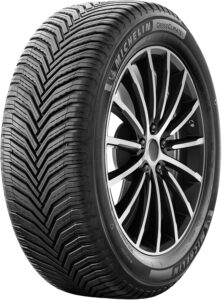
Debora Junca, Michelin Brand Senior Director of B2C Marketing says that the all-weather segment is growing. “Consumers are prioritizing driving with confidence and performance in every climate condition,” she says. “The all-weather category accounts for roughly 15% of the replacement market in North America, and we expect the segment to grow into this year.”
Dynamic Tire’s Dutli agrees, adding that in Canada, the move towards all-weather tires is no longer a niche trend—it’s a growing market. “Consumers want simplicity and versatility, meaning all-weather tires offer a practical year-round solution without the inconvenience of seasonal changeovers,” he says.
While all-weather tires can’t compete with dedicated winter tires in harsh winter conditions, Dutli notes that they’re growing in popularity in the parts of Canada where these tires make sense.
“We’re seeing all-weather tires steadily take share from competing segments, especially among urban and suburban drivers who want modest winter-capable performance, but don’t necessarily want to manage two sets of tires or fork out the extra money for a second pair,” Dutli explains.
Extra Load (XL)
As the automotive industry moves towards electrification, we’re seeing another interesting trend emerge: an increase in the number of Extra Load (XL-rated) tires coming to market.
“As EVs continue to evolve, more OEMs are specifying XL‑rated tires to meet the higher load requirements associated with electric vehicles,” says Michelin’s Junca. “We’re also seeing the broader EV market stabilize. Growth is still happening, but not at the steep rates once forecasted, and many consumers are gravitating toward hybrids. That shift reinforces the need for low‑rolling‑resistance, energy‑efficient tires that don’t compromise on mileage.”
The move towards XL ratings gives consumers more flexibility, adds Dynamic Tire’s Dutli, “as these tires can handle EV weight requirements, while remaining fully compatible with traditional ICE vehicles.”
Speaking of ICE vehicles, Sailun Tire’s McIntyre explains that many modern SUVs and crossovers also benefit from XL construction. “The key challenge is making sure these tires still offer good ride comfort, low noise, and long wear, especially for drivers switching from traditional vehicles to EVs,” he adds. “From our standpoint, it’s about meeting those needs without pushing consumers into higher price tiers.”
As the automotive industry continues to evolve, we’re sure to see the tire industry keep pace as they continue to bring to market the kind of products that consumers want and demand.
In The Spotlight
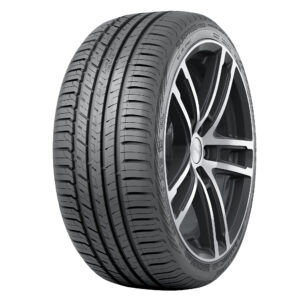
Nokian Surpass AS01
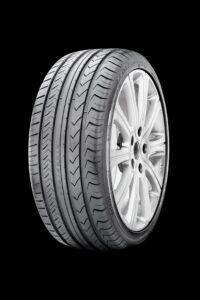
Mirage MR-182
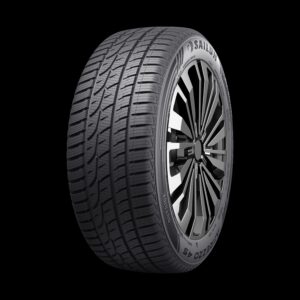
Sailun Atrezzo 4S
Michelin CrossClimate2


JOBS
 |  MONTRÉAL MONTRÉAL Full time Full time |
 | BROSSARD Full time |
 | SOREL-TRACY Permanent |
 | JOLIETTE Full time |
 | SAINTE-JULIE Full time |