
Debunking 5 Myths About OEM Certification
Autosphere » Collision »
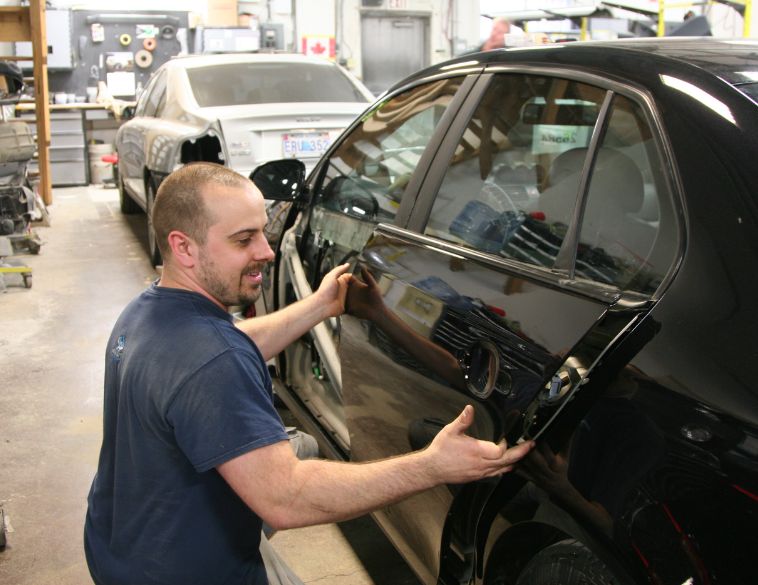
Today, collision centres can no longer afford to ignore OEM Certification. (Credit : Huw Evans)
From industry conferences to everyday conversations with repairers, I often hear misconceptions about OEM certification. These myths discourage collision shops from pursuing certifications that can transform their business and undervalue the true benefits that come with certification programs. The reality is that certification is one of the most impactful steps a shop can take to position itself for long-term success. Let’s look at the five most common myths I hear and the facts that set the record straight.

Myth 1: Certification requires purchase of duplicate equipment
Reality: Simply put, shops aren’t asked to duplicate major purchases. In fact, the Certified Collision Care program aligns 95% of core requirements for tools, equipment, and training across 13 different OEM brands. The reality is quite the opposite with the program consolidating requirements to make compliance as efficient and cost-effective as possible.
Myth 2: It’s hard to figure out which OEM programs are right for my shop
Reality: A simple analysis of your repair mix should make this decision clearer than you might think. Just review the last two years of your repair orders. Which brands do you see most often? Those are the OEM certification programs that will resonate most with your current customers. And for brands you don’t yet repair? That’s where building relationships with local dealers can create opportunities for new work through certification.
Myth 3: Certification is too expensive
Reality: Compared to many global markets, Canada’s certification structure is a bargain. Through Certified Collision Care, a shop can be certified in up to 13 brands for just $4,400 per year. What’s truly expensive is not investing regularly in the tools, training, and equipment required to repair today’s increasingly complex vehicles. Certification ensures those investments are targeted, efficient, and easily recognized.
Myth 4: Certification should operate like a DRP program and automatically bring cars to my shop
Reality: Certification is not a “set it and forget it” program. Certification equips shops with the tools to promote their OEM certified status, including consumer locators, insurer awareness, and the credibility of billion-dollar OEM brands. But the return on investment depends on how actively a shop promotes itself as a certified collision repair facility. Certification provides the platform, but shops need to put in the effort to maximize referrals and customer trust.
Myth 5: Certifications are hard to manage
Reality: The Certified Collision Care program includes ShopOps software, an easy-to-use platform where shops manage all certification requirements across 13 brands in one place. By keeping training records and equipment updates current throughout the year, shops can complete the annual recertification audit quickly and efficiently.
Why Certification Matters Now
OEM certification is no longer optional. Modern vehicles are increasingly complex, consumers are more aware of certified repair options, insurers are integrating certification into their referral programs, and OEMs themselves are influencing where cars are repaired through telematics, call centres, and roadside assistance towing. Certification ensures shops are aligned with these market realities while protecting customers with safe, proper repairs.
Shops looking to grow shouldn’t see certification as a burden, but as a business advantage. OEM certification validates your commitment to quality, connects you with powerful brands, and builds trust with insurers and consumers. Plus, with today’s tools and resources, achieving and maintaining certification is more accessible than ever.


JOBS
 |  DORVAL DORVAL Full time Full time |
| ST-HUBERT Full time |
 | MONTRÉAL Permanent |
 | SASKATOON Full time |
| MONTRÉAL-NORD Permanent |