
The Human Factor Still Matters
Autosphere » Tires »
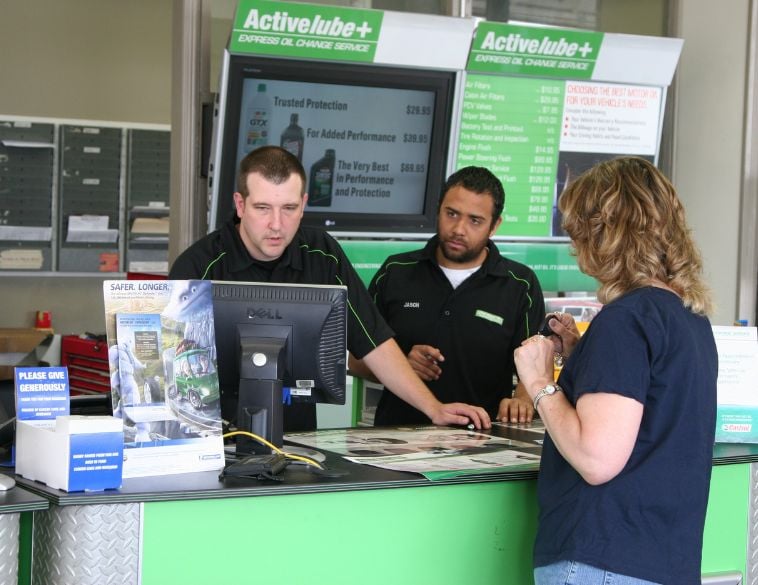
In-person-service—is likely-to-become more important in the age of AI Credit: Huw Evans
Technology can make a business more efficient, but never underestimate the value of a human voice.
Artificial intelligence is quickly becoming part of the automotive service landscape. From automated answering systems to online ordering and appointment scheduling, AI promises greater efficiency and 24/7 availability. But efficiency doesn’t automatically translate into customer satisfaction.
Our store recently discovered this firsthand after experimenting with an AI-powered telephone answering system. The technology worked as intended: It could answer questions, gather information and relay messages to staff. On paper, it looked like a success. Then the customers started calling.
“Efficiency doesn’t automatically translate into customer satisfaction.”
– Ken Borg
Customers wanted a person
Once the system went live, the response was surprisingly negative. Customers from a wide range of age groups expressed a preference for speaking with a live person, so we decided to put the idea of AI on hold… at least for now.
The problem wasn’t that the technology didn’t work. It worked remarkably well. The problem was trust. Customers wanted to speak with someone they knew—someone who could answer questions, provide recommendations and understand their particular problem or situation.
That distinction is especially important in the automotive aftermarket. A customer isn’t simply buying a product. They may be asking whether they need new tires, wondering about brake repairs, trying to understand a service recommendation or dealing with a vehicle that has suddenly broken down.
These conversations involve a level of trust that can be difficult for technology to replicate.
Relationships build business
The value of human interaction becomes particularly apparent when customers have an established relationship with a shop. A customer may walk through the door because someone they know recommended a particular technician or service advisor. They may ask for that person by name, which often leads to a more meaningful conversation.
These interactions build familiarity and confidence, and that confidence can directly influence purchasing decisions. When a customer asks, “What would you recommend for my vehicle?” or “How much will this cost?” they’re looking for more than information. They’re looking for reassurance that they’re making the right decision.
Keep AI in its place
Don’t get me wrong. I’m not against AI, or technology in general. Automated systems, online booking, digital communications and AI can all be valuable tools. The key is understanding where they complement customer service and where they don’t.
As more businesses adopt AI, automotive professionals should pay close attention to how their customers respond. The newest technology isn’t necessarily the best technology for every interaction.
The lesson we learned from this experiment is simple: Customers still want to feel that somebody knows them, understands their problem and cares about helping them.
AI may be able to provide an answer, but in an industry built on relationships and trust, sometimes the most valuable technology is still the telephone, and the person who answers it.
Tags : Oakville Tire & Auto


JOBS
 |  MONTÉRÉGIE MONTÉRÉGIE Permanent Permanent |
| RIVE-NORD DE MONTRÉAL Permanent |
 | SAINT-JEAN-SUR-RICHELIEU Full time |
 | MONTRÉAL Full time |
| RIVE-SUD DE MONTRÉAL Full time |