
Affordability Pressures Challenge Seasonal Changeover Bay Capacity
Autosphere » Tires »
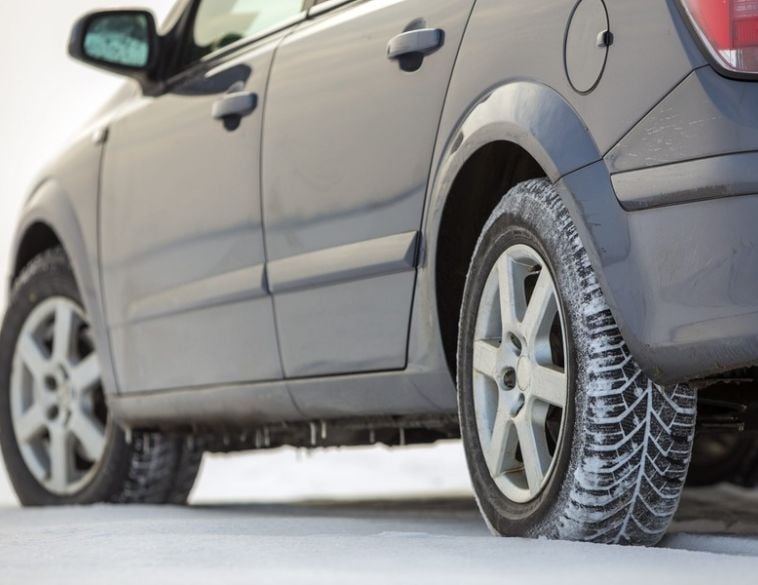
According to TRAC data, while 81% of drivers consider winter tires a worthwhile investment, 32% hesitate to buy a new set due to budget constraints.
With consumer budgets tightening, Canadian tire retailers and mechanical shops must balance safety advice with tiered product options to capture essential seasonal revenue.
According to data from the Tire and Rubber Association of Canada (TRAC), while 81% of motorists view winter tires as an essential safety investment, 32% admit affordability concerns often deter them from purchasing a replacement set. This purchasing hesitation directly impacts tire retailers, mechanical repair shop facilities, and service advisors heading into peak rush periods, as budget-conscious drivers attempt to stretch worn tread through another cold weather spell or delay appointments until the first major snowfall.
Navigating customer price resistance requires tire retailers to have a structured inspection and advising protocols at the service counter. Evaluating residual tread depths objectively confirms whether a customer’s stored set remains roadworthy or poses cold-weather braking hazards on icy pavement. Communicating the technical threshold of 7° Celsius—the point where all-season compounds harden and lose grip—helps service writers spread appointment volumes across October and November, smoothing customer scheduling during these pivotal months and preventing overcrowded and backlogged work in the service bays.
According to retail specialists at OK Tire, matching specific driving routes and vehicle duty cycles to appropriate price-point tiers prevents lost sales at the estimate phase. Equipping counter staff with clear product comparisons allows tire and automotive service facilities to properly complete R/Os, maintain technician efficiency in the service bay, and retain shop customers despite tightening household vehicle maintenance budgets.
Tags : TRAC



JOBS
 |  JOLIETTE  Full time |
 | DORVAL Permanent |
 | MONTRÉAL Full time |
| JOLIETTE Full time |
 | MONTRÉAL Permanent |