
How to Maximize Every Kilometre
Autosphere » Tires »
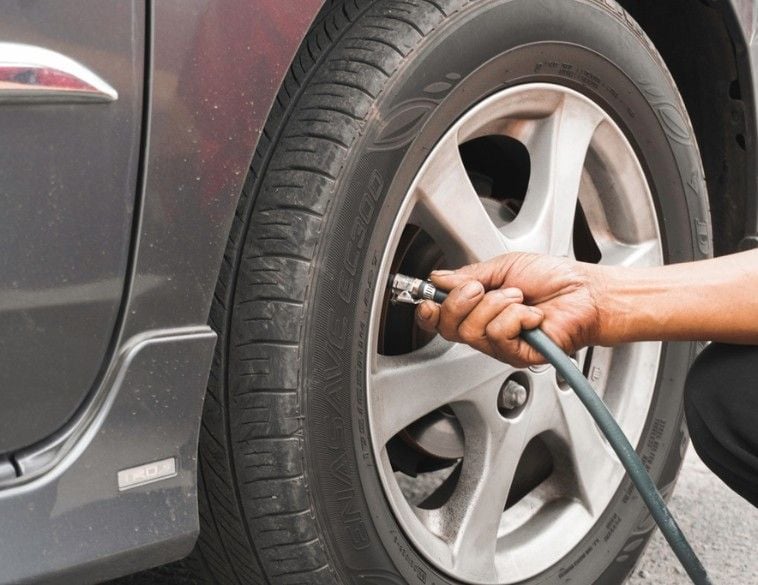
Regular tire maintenance, such as ensuring proper inflation, plays a vital role in a vehicle's overall efficiency by minimizing rolling resistance and energy consumption. Even slightly under-inflated tires can increase drag, forcing the vehicle to use more fuel or battery power.
As tire season is in full swing, Nexen Tire America has shared several tips that tire and mechanical centre managers can pass on to their customers. The manufacturer highlights a few tricks allowing motorists to improve tire efficiency, performance, and daily driving behavior.
With persistent pressure on energy and fuel prices, more consumers are closely examining how their driving habits impact their expenses. Whether adjusting driving habits, limiting travel, or prioritizing vehicle efficiency, even small changes can make a significant difference at the pump or charging station. While many focus on obvious habits like reducing speed, experts state that less-known variables—such as tire choice, route selection, and vehicle equipment—can quietly but significantly influence efficiency. Nexen Tire America offers these tips to help your customers get the most out of every kilometre.
Start with the Right Tires and Keep Them Inflated
-
It is easy to overlook the role tires play in overall vehicle efficiency.
-
Rolling resistance—the energy needed to keep a tire in motion—can represent a significant portion of total energy or fuel consumption.
-
Tires designed to reduce this resistance can improve fuel economy for traditional vehicles and extend the range of electric vehicles (EVs).
-
Proper maintenance is equally important; even slightly under-inflated tires can increase drag, forcing vehicles to consume more energy.
-
Alignment issues can go unnoticed during daily driving but create subtle resistance that accumulates over time.
-
Improper inflation and poor alignment risk wearing tires prematurely or unevenly.
Remove Unnecessary Exterior Equipment
-
Beyond tires, other external factors influence how efficiently a vehicle moves on the road.
-
Roof bars, roof boxes, and even open windows at highway speeds can increase aerodynamic drag, thereby reducing fuel efficiency.
Be Mindful of Driving Habits
-
Nexen emphasizes that sometimes a detour is better.
-
In many cases, slightly longer routes with fewer stops can be more efficient than shorter trips in stop-and-go traffic.
-
Smooth acceleration and gradual braking also help conserve energy.
-
Coasting to a stop rather than braking at the last moment helps preserve momentum and, for EVs, improves regenerative braking performance.
Efficiency Tips for EVs
-
Electric vehicle drivers face unique considerations according to Nexen.
-
Climate control systems can consume considerable energy and reduce range.
-
Preheating the cabin while the vehicle is still plugged in helps limit battery drain during the trip.
-
Just like smooth braking, drivers who release the accelerator earlier can maximize energy recovery through regenerative braking.


JOBS
 |  DORVAL DORVAL Full time Full time |
| ST-HUBERT Full time |
 | MONTRÉAL Permanent |
 | SASKATOON Full time |
| MONTRÉAL-NORD Permanent |