
Electrification and Engagement
Autosphere » Mechanical »
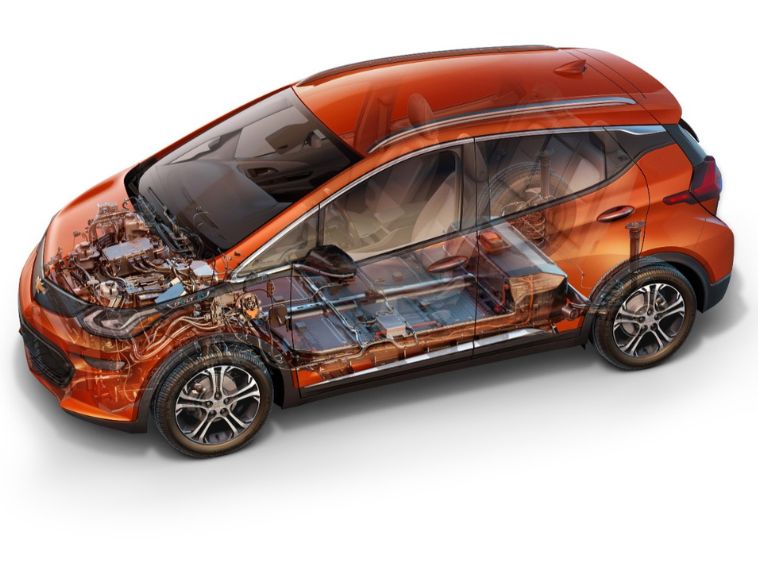
Servicing EVs effectively in the aftermarket requires not only training, but the right customer approach. (Credit : General Motors)
Tips for cultivating EV and retaining customers
Over the last decade (with much of it fueled by government incentives), we’ve seen electric vehicles sales grow in the Canadian marketplace. And while we’ve seen demand plateau as early adoption rates were satisfied and the market shifted toward a more powertrain agnostic approach to light vehicle sales, the fact remains that EVs are now more than just a sliver of the auto parc, which also means they require facilities to properly service and maintain them.
Necessary space
In the automotive aftermarket, there are several things to consider. Firstly, that service centres have the necessary space required to perform the maintenance needed on these vehicles [which includes ADAS calibrations and High-Voltage battery servicing], plus, shops need to have good Internet connectivity to ensure software updates can be properly installed and any programming or module re-flashing can be performed successfully.
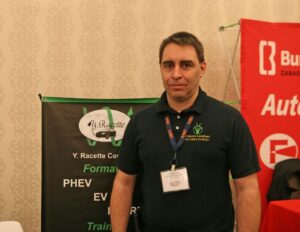
There’s also the issue of training. “You need, at minimum, one fully trained technician to work on these vehicles,” explains Yves Racette, a specialist in EV technical training and Director, NexDrive Program Development at NAPA/UAP.
Racette also recommends that service centres have a second technician trained as a back-up, so that servicing demands can be met, and the shop has a contingency plan should the lead technician not be available or fully booked with existing repair orders.
Trained service advisors
Additionally, the shop will need to ensure that it has a service advisor and parts counter person who is fully trained to handle enquiries from customers, since EV drivers tend to be more informed and will likely have different questions or concerns related to their vehicle and servicing requirements.
At Upper James NAPA AUTOPRO in Hamilton, Ont., owner/operator Andrew Ackers says that based on his own experiences, he’s seen a lot of parallels between diving into EV servicing, and when the aftermarket really started to embrace maintenance for European vehicles. “It was a major transition for us, and we had to purchase vehicles, get familiar with them and develop real-world experience in maintaining them and doing repairs.” He notes that in many cases, the added complexity of these vehicles and the technological expertise and proficiency required, as well as the increase in average cost for repair, meant that a different approach was needed and that extended to how services were marketed and how service advisors were trained to work with customers.
Ackers notes that in the case of his business, many clients that own EVs tend to have another vehicle in the family and if you’re able to successfully service and maintain their EV, they’re far more likely to come to your door for maintenance needs on their other vehicles.
Customer engagement
Yves Racette explains that from a marketing perspective, if service centres want to successfully cultivate EV customers, they need to not only be proficient in terms of their skill sets, but also be active on EV social sites, enthusiast networks and engaging with owners’ clubs and associations. “This will enable the business to become a known quantity,” says Racette, plus if the shop performs good work and customers are happy with the service, they can often serve as brand ambassadors, referring fellow enthusiasts, as well as friends and family members, even if some of them might own conventional vehicles.
Andrew Ackers concurs, noting that it’s imperative that the shop can speak “the same language” as their customer. “In many cases, when it comes to EVs, even if the vehicle is several years old, such as an early Chevrolet Bolt, Volt or Nissan LEAF, you’re mostly likely dealing with someone who’s an early adopter. They will want to know the type of tests you’ll be performing on the vehicle and that your team has the confidence and experience to perform those tests, along with the required repairs and maintenance.” Ackers says it’s particularly critical when it comes to working on an EV’s high-voltage electrics and battery system.
Outreach tools
Ackers explains that besides marketing EV services through your website and social media, plus ensuring your staff and technicians are properly trained and equipped, another effective strategy to cultivate EV servicing is having the shop purchase or lease its own EVs and using these as community outreach tools, whether it’s parking these vehicles out front or using them to showcase your brand in the community, such as local sporting events, social gatherings and even fundraisers.
He notes that because a good portion of EV owners tend to be early adopters and they have an active interest in the vehicle and the technology behind it, any way in which a service centre can actively engage with them in a genuine and transparent fashion, will likely lead to solid, long-term business from these customers.
Traning needs and requirements
It can’t be emphasized enough that properly servicing EVs, hybrids (and even the latest gasoline and diesel vehicles), requires the right training. To begin with, shop owners and managers need to determine the level of skills and proficiency their technicians and apprentices have. Yves Racette says that basic skills must be fully addressed and that any gaps at the foundational level are properly filled before moving on to more advanced skills. “There are many different training programs out there,” says Racette, “some that are complimentary and some that you pay for, and there is always a difference in the level and quality of training that’s provided, so you must always verify what you’re getting, how in-depth it is, and how much it is likely to benefit your business.”
He notes that NAPA has an online self-assessment portal that can help shops gain a clear understanding of where they are at in terms of training and where they need to go. NAPA’s NexDrive EV service program also requires service centres to be NAPA AUTOPRO locations and sets minimum requirements—including having at least one technician who is Level 5 certified on NAPA’s High Voltage training. This is designed to ensure that the shop is not only able to service EVs but perform advanced repairs and diagnostic functions. Racette notes there are additional benefits too, not only in that the shop is recognized as a bonafide EV repair centre, but that these skills are transferable to regular internal combustion engine vehicle service and repair work. The result then, is hugely beneficial, not only from an EV service standpoint, but the entire business itself.


JOBS
 |  MONTRÉAL MONTRÉAL Permanent Permanent |
 | MONTRÉAL Permanent |
 | MIRABEL Full time |
 | MONTRÉAL Permanent |
 | SAINTE-AGATHE-DES-MONTS Full time |