
Vehicle Engineering: GM Leverages Enterprise AI to Halve Development Cycles
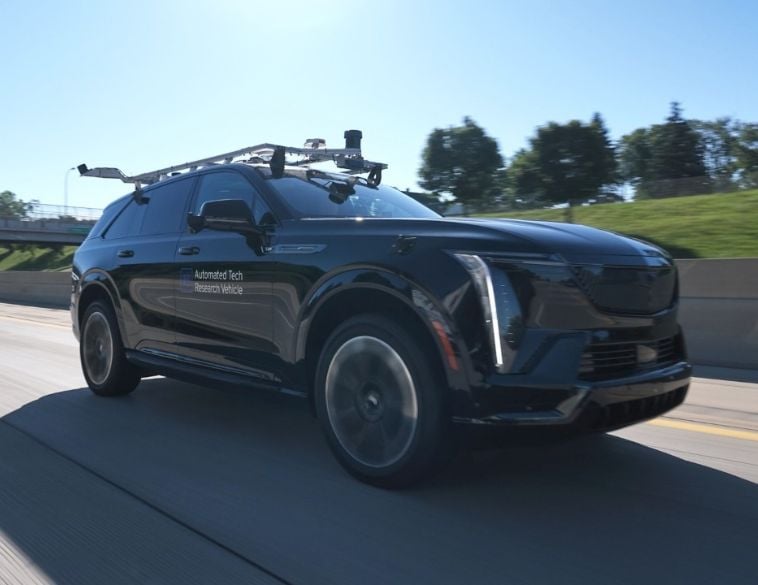
At GM Forward, General Motors unveiled a technology roadmap using AI to cut vehicle development timelines from four years to two.
General Motors’ new centralized compute architecture cuts vehicle development times in half while reducing wiring mass and physical manufacturing complexity.
General Motors unveiled its next-generation technology roadmap during the GM Forward conference, highlighting an enterprise AI strategy designed to compress traditional vehicle development timelines from four years down to two. By unifying design and engineering through virtual prototyping, the automaker tested over 300,000 battery configurations digitally before physical production.
For Canadian automobile dealerships, commercial fleet operators, and automotive service networks, faster product development cycles will accelerate the delivery of software-defined trucks and electric vehicles. GM’s fourth-generation EV platform will feature lithium manganese rich (LMR) battery chemistry alongside redesigned electric drive units that reduce total component count by 40% compared to current propulsion systems.
Beginning with the 2028 Cadillac Escalade IQ, GM will roll out a high-speed Central Compute Unit (CCU) across high-volume trucks and SUVs, including the Chevrolet Silverado. Delivering 40 times more processing power while reducing wiring harness mass by 30%, the centralized architecture enables eyes-off autonomous driving capabilities, over-the-air software updates, and unified fleet telematics through an upgraded OnStar platform starting in 2027.
Tags : General Motors



JOBS
 |  MASCOUCHE  Permanent |
 | GRANBY Full time |
 | RIVE-SUD DE MONTRÉAL Permanent |
| SALABERRY-DE-VALLEYFIELD Full time |
 | ONTARIO Full time |