
Where Has the Economy Car Gone?
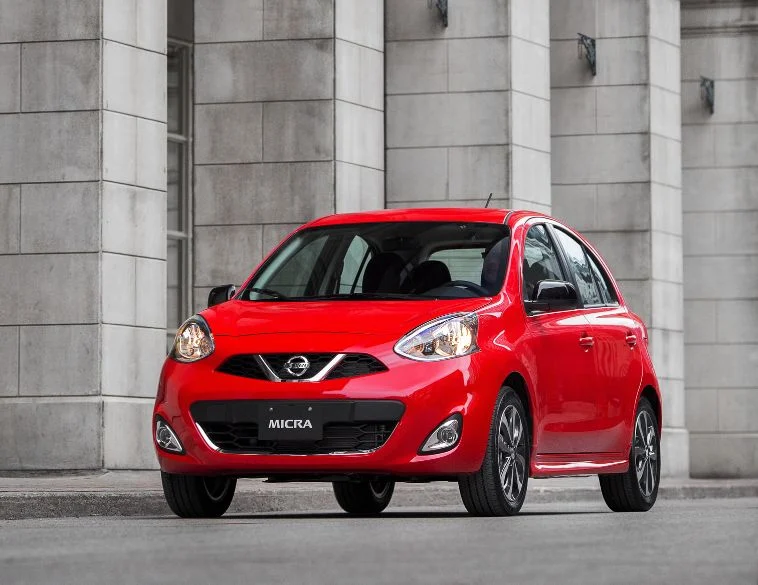
The Nissan Micra offered an affordable option for first-time buyers. Credit: Nissan
Between the disappearance of subcompacts and the arrival of Chinese electric vehicles, where does the balance lie?
Between 2018 and 2026, the average price of a new vehicle in Canada rose from approximately $36,100 to $62,830, according to the AutoTrader Price Index. Fewer consumers can afford a new car today. Automakers are keeping sales steady only through aggressive incentives, creative financing deals, and targeted promotions that eat into their profit margins.
If prices continue to rise, and especially if we fail to offer more affordable models to consumers, the industry will hit a wall. A decade ago, subcompacts were still easily found under the $20,000 mark. Nissan even offered its Micra for under $10,000. Today, subcompacts have disappeared, and it is no longer possible to buy a Hyundai Kona under $30,000. In fact, fewer than ten models remain below that otherwise reasonable threshold.
The real gap: the economy car has vanished
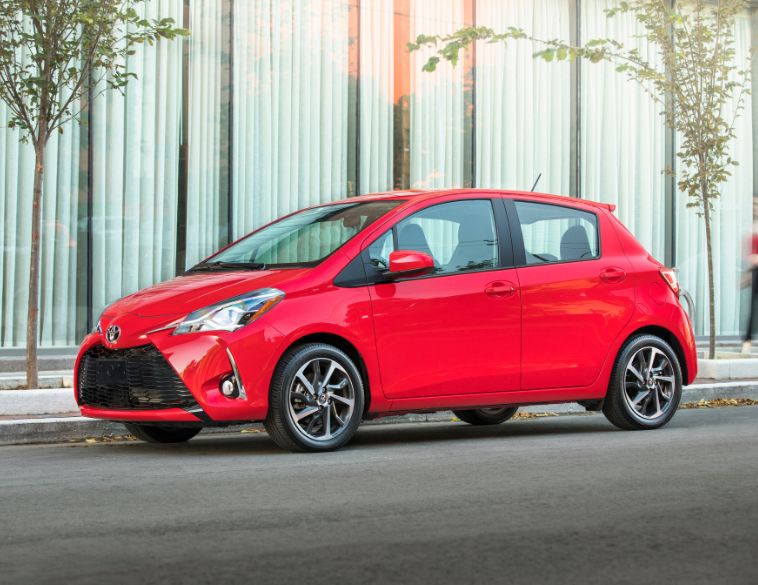
Since 2019, entry-level cars have systematically vanished from North America. Models like the Ford Fiesta, Chevrolet Sonic, Chevrolet Spark, Nissan Micra, Hyundai Accent, Kia Rio, and the original Toyota Yaris were all phased out without direct replacements.
Automakers cited thin margins for their exit, but a larger strategy was at play. Transitioning to electric vehicles requires massive capital, and low-margin cars simply can’t fund that shift. Manufacturers now depend on higher-revenue models to build their electric future.
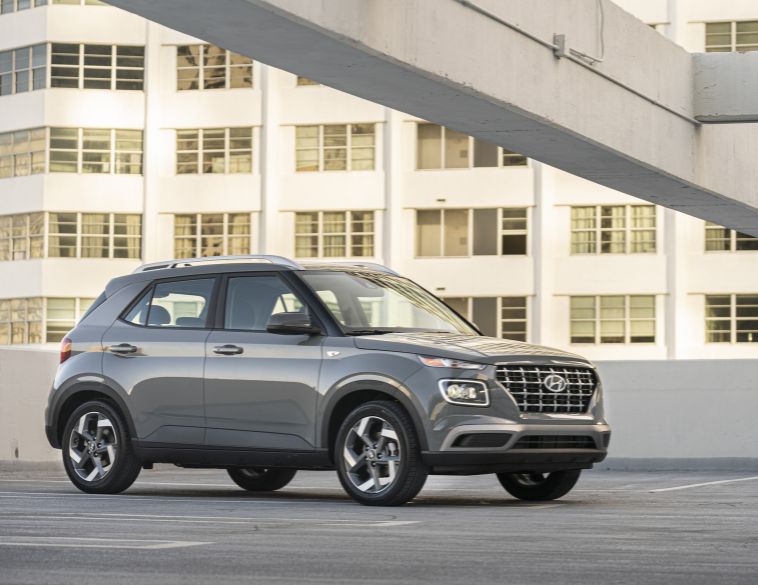
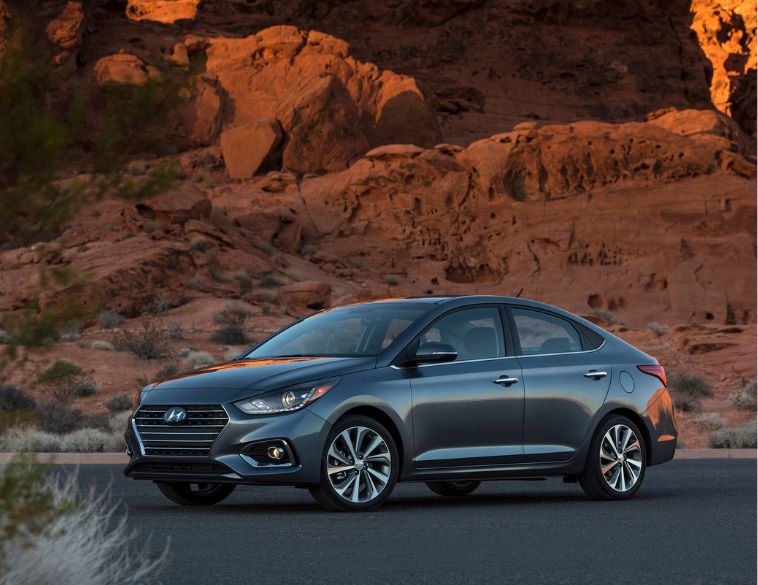
The example of the Hyundai Accent is telling. When it was discontinued, the model sold for around $18,000. It was replaced by the Venue crossover, which is essentially just a taller Accent sold at a higher price with far better profit margins for the brand.
As a result, consumers are facing record-high vehicle costs, with the average monthly new-car payment hovering near $915. Even the pre-owned market offers little refuge for budget-conscious buyers, as the average used car price in Canada hit $36,700 in early 2026. Put simply, a used car today costs what a brand-new car did in 2018.
Chinese electric vehicles
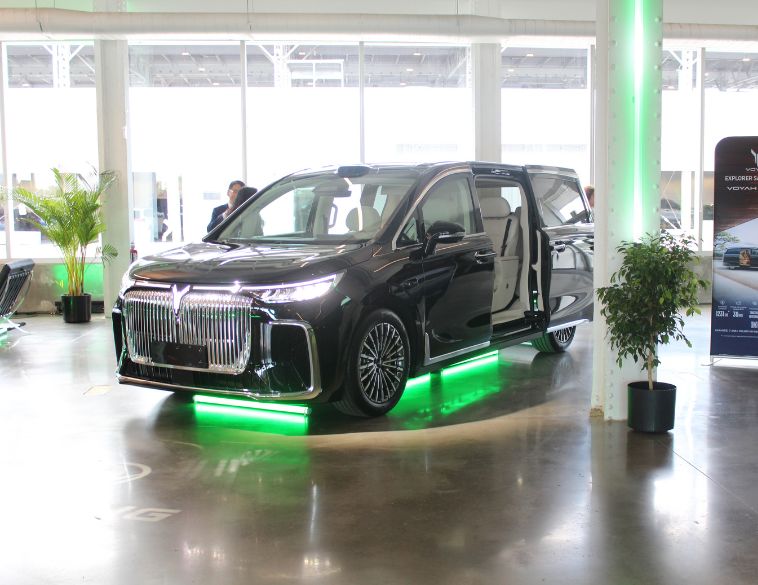
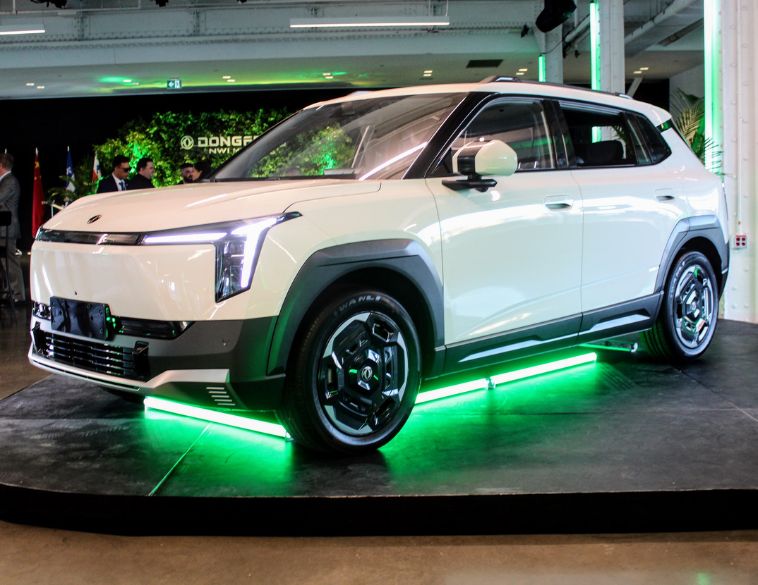
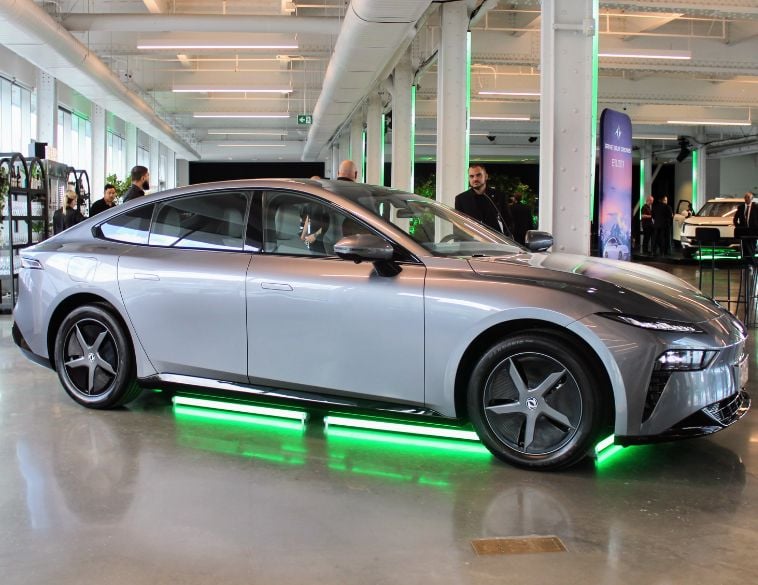
As part of the agreement reached between Canada and China, some Chinese EV models will be offered in the country at prices hovering around $35,000. It is a promising price point, especially when factoring in fuel savings, which are substantial once you switch to electric.
However, this deal requires context. Tariffs on Chinese electric vehicles stood at 106.1% after Ottawa aligned with the Biden administration to protect the North American auto industry in August 2024. Under the new agreement with Beijing, Canada will permit up to 49,000 Chinese EVs annually at the standard 6.1% tariff rate in exchange for reduced Chinese duties on Canadian canola.
It is a step in the right direction, but do the math: 49,000 units is barely more than the number of EVs sold in Quebec alone in a single year. Across the entire Canadian automotive market, which moves nearly two million vehicles annually, it changes virtually nothing for the vast majority of buyers.
What buyers actually want
Buyers want affordable models back, especially true subcompacts. Last year, while leading Lexus Canada, Martin Gilbert—now president of Toyota Canada—pointed out that manufacturers will inevitably need to reintroduce smaller, affordable models to keep the market accessible.
The business logic is straightforward: when a buyer enters the brand ecosystem with a $20,000 subcompact, they return five years later for a higher-tier vehicle. Profitability isn’t just about the initial unit sale; it’s about lifetime customer value. Today, however, a lack of new entry-level options is forcing these buyers into the pre-owned market instead.
Tracking real buyer priorities is equally complex. Light trucks and utility vehicles now claim almost 88% of the Canadian market, with volume driven by models like the Ford F-150, Chevrolet Silverado, Toyota RAV4, and Honda CR-V, financed over extended loan terms.
Rugged-styled SUVs with enhanced off-road capabilities are in high demand and command premium prices. Yet the reality is that most people do not spend their time off the beaten path. They drive in the city, take the kids to school, or commute to the park-and-ride.
Automakers market capability, and buyers line up for it, even if their actual daily needs point in the opposite direction.
The solution
A trickle of Chinese EVs won’t solve Canada’s affordability crisis. The industry needs a revival of practical, low-cost compact vehicles, EV or gas-powered, built specifically for routine urban mileage such as school runs, mall trips, and short daily commutes.
This segment was abandoned because it generated low margins, not because demand vanished, despite what consumers were led to believe. On the contrary, with rising prices and interest rates, that need has never been more acute.
It remains to be seen which automaker will be bold enough to take the lead and reintroduce a truly affordable vehicle under the $20,000 threshold. The floor is open.






Tags : affordability


JOBS
 |  MONTRÉAL MONTRÉAL Full time Full time |
 | TERREBONNE Temporary with possibility of being permanent |
 | BLAINVILLE Full time |
| MONTRÉAL Temporary with possibility of being permanent |
 | LAURENTIDES Permanent |