
A Look Back at Automotive Options Through the Years
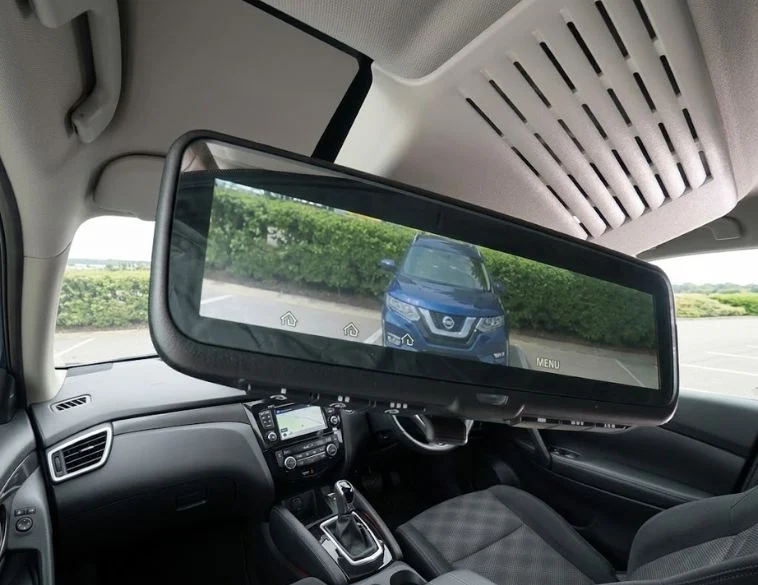
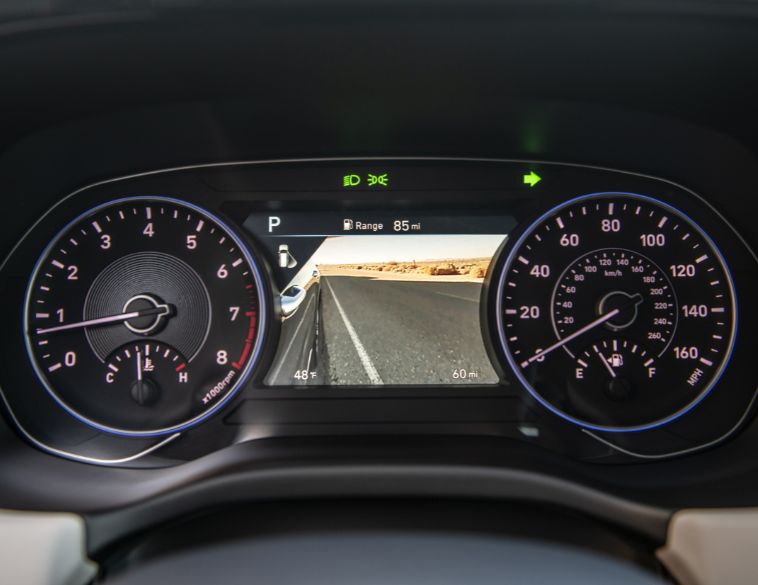
The digital display rearview mirror made its entrance in the options catalogue. Credit: Daniel Rufiange
Back in 1976, checking the box for “air conditioning” on an order form felt like a major financial decision. That single feature could easily add 10% to 20% to a car’s price tag. Today, we’d be shocked if a vehicle didn’t come with it standard. Between then and now lie 50 years of transformation in how manufacturers sell their vehicles, and above all, what buyers consider essential.
Over the course of our lives, our needs change. A new job might force us to find a new home. The arrival of a child might prompt us to pick a new vehicle. Our tastes, and even our whims, evolve as well.
Nobody settles for a 20-inch TV in their living room anymore; it takes a 50-, 65-, or even 75-inch flat screen to cut it. The same logic seems to apply to vehicles. For many drivers, buying a new car without basic comforts like heated seats or power windows feels unacceptable. Even worse, driving a vehicle without an infotainment screen or Apple CarPlay and Android Auto integration feels downright prehistoric.
And yet.
Fifty years ago, our lives were much more basic. And nobody was complaining about it either. But things changed, and we got used to the conveniences that crept into our lives. That’s just the way it goes.
This line of thought made us want to dig into this topic from an automotive perspective, focusing on the past 50 years. In other words, what did consumers need back then, and what was being offered to them? Over time, how did the offering evolve to the point of creating new needs for customers?
Let’s take a lighthearted yet eye-opening trip back in time!
The 1970s: Extra! Extra!
In the 1960s and 1970s, a new car often arrived stripped-down in its base version. Comfort was bought item by item. Air conditioning is the perfect example. On a 1976 AMC Pacer, the option cost around $500, or nearly 10% of the car’s price.
It was the same story for power windows, power locks, cruise control, or a tilt steering wheel: all individual additions on the invoice. You had to make choices, and only the wealthiest could check off every box they wanted. Certain options were reserved for those who had the means or truly wanted to treat themselves.
Air conditioning remained a high-end luxury reserved for premium models. Back then, you could easily buy a new car without it and… live with it.
Vehicle types: Full-size American cars still dominated the market, but compacts were starting to gain ground. The oil crises of 1973 and 1979 accelerated the shift toward smaller, more fuel-efficient cars. The Honda Civic, Toyota Corolla, and Volkswagen Rabbit notably became symbols of this transformation.
The 1980s: the democratization of comfort
The 1980s saw air conditioning, power windows, and power locks slowly migrate from option lists to standard features, at least on higher-end models or upscale trims. The cost of this equipment decreased, and availability grew rapidly.
Buyers were paying closer attention to safety, too. Airbags first emerged on select cars in the 1970s, but they didn’t become widespread features until the late 1980s and early 1990s.
People spent money installing sound systems equipped with cassette players, followed by compact disc players. That was the kind of luxury you still had to pay extra for.
Vehicle types: Sedans remained the top sellers, supported by sports coupes and a vast selection of compact and mid-size cars, with front-wheel drive increasingly taking over from rear-wheel drive. Then came 1984, when Chrysler rolled out the minivan and revolutionized the family car segment.
The 1990s: the rise of the SUV
During this decade, safety stopped being an afterthought and became a key selling point. Beginning in the early 1990s, driver and passenger airbags became mandatory in the United States and rapidly spread across the market. Automakers realized safety was no longer a niche feature for safety-conscious buyers, but a prime marketing asset.
The CD player, as mentioned, remained a luxury option for much of the decade, but it slowly found its way into every vehicle.
Vehicle types: Passenger cars still held the vast majority of the market, but SUVs were beginning to shed their rugged, off-road image. The Ford Explorer, launched in 1990, played a pivotal role in repositioning SUVs as primary family haulers. Minivans remained a dominant choice for families, while sports cars continued to enjoy strong sales.
The 2000s: connectivity makes its debut
In the 2000s, onboard technology established itself as a major competitive differentiator for car brands. GPS navigation quickly transitioned from a premium OEM add-on to a widely available mass-market feature, giving drivers an easier, safer way to get from point A to point B.
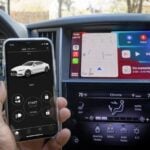
With the proliferation of cellphones, people were using their phones behind the wheel, prompting automakers to develop hands-free Bluetooth technology, which became one of the most sought-after features, along with jacks for MP3 players, before USB ports took over.
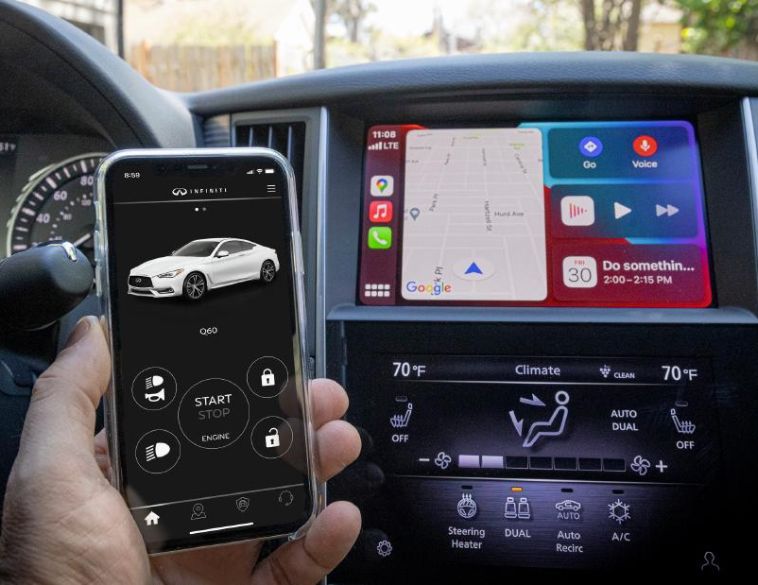
Satellite radio, rear-passenger entertainment screens, and early remote starter systems grew increasingly popular. People began buying a vehicle not only for what it could do on the road, but also for what it enabled them to do, as if they were right at home.
Vehicle types: While passenger cars still held top market share, SUVs began their unstoppable rise. Compact crossovers and utility vehicles quickly emerged as the hottest segment on the market, though minivans remained highly favored by families.
The 2010s: making way for driver assist systems
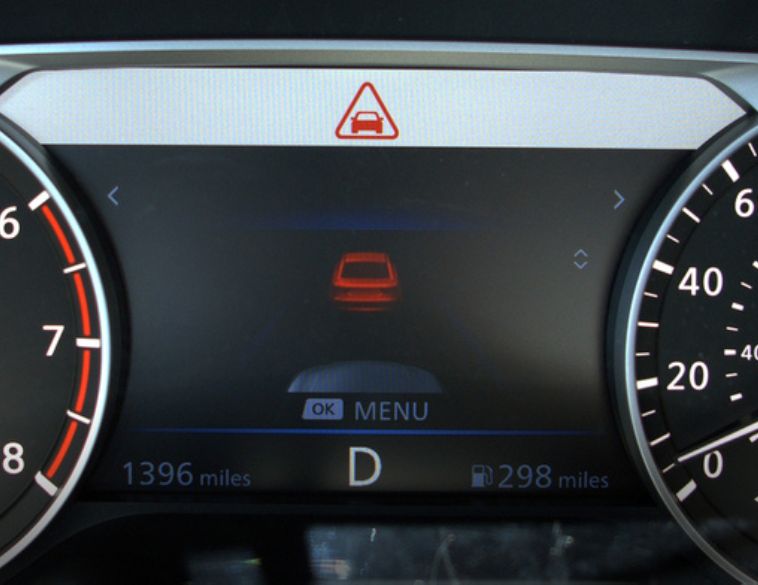
Driver assist technology dominated automotive priorities throughout the 2010s. J.D. Power confirmed as much in a 2015 survey, where buyers ranked body-shop-repair and collision-avoidance technologies, particularly blind-spot monitoring, among their most desired tech features.
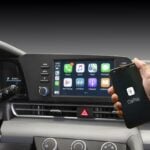
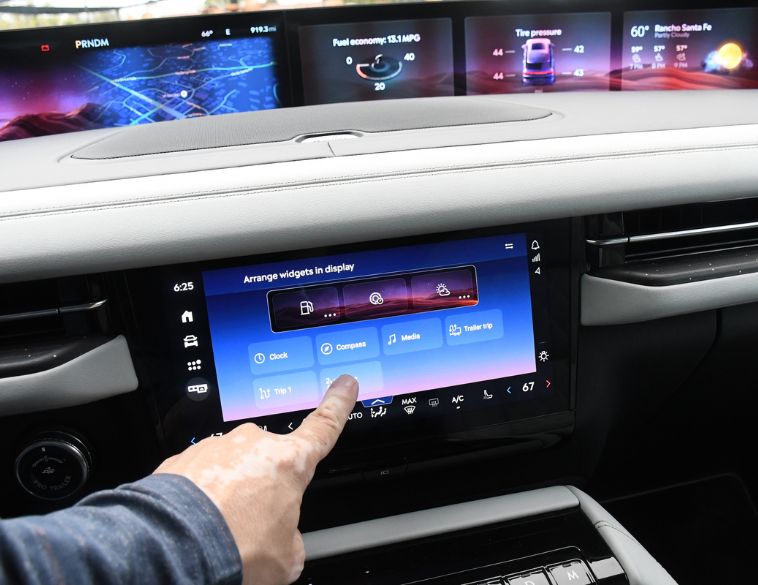
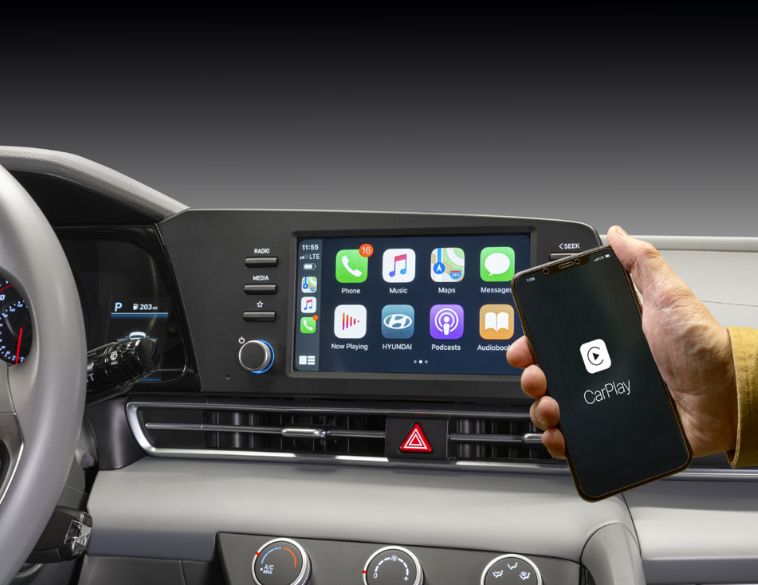
By the mid-2010s, the debut of Apple CarPlay and Android Auto redefined what buyers expected from a center screen, turning infotainment into a make-or-break factor on the showroom floor. CD players slowly vanished as drivers connected their phones to stream music via apps like Spotify or Apple Music rather than relying on physical media.
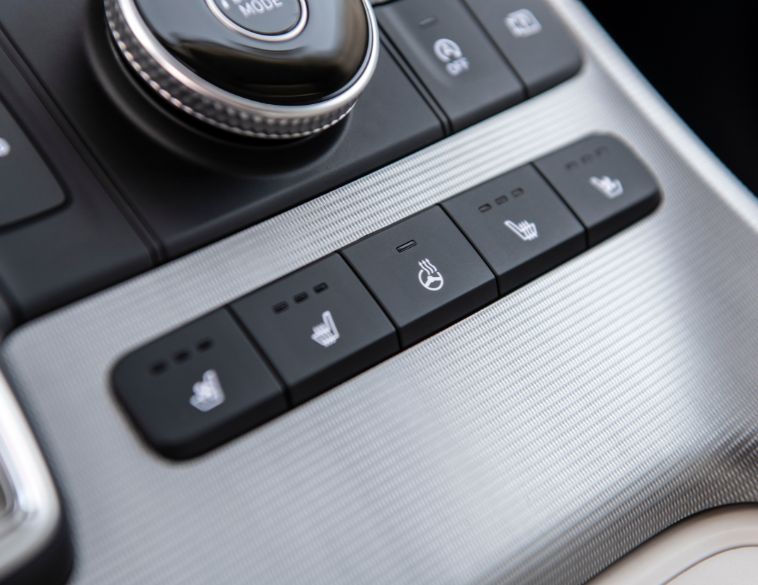
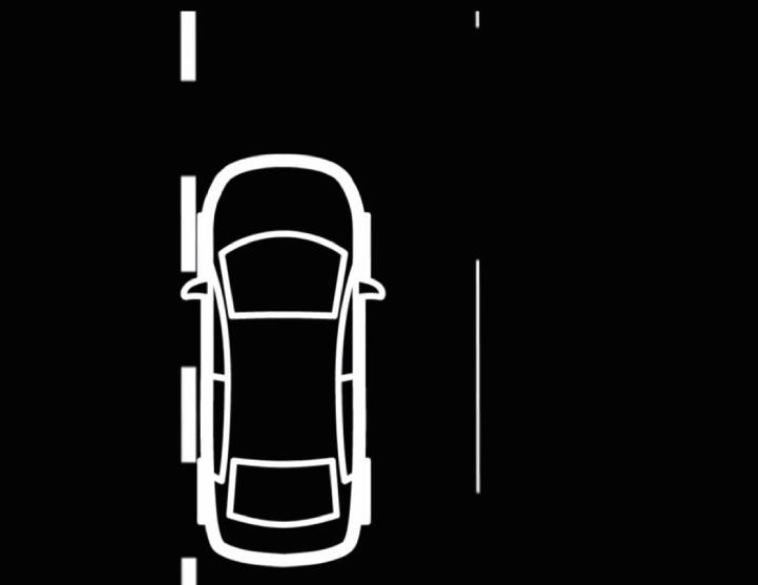
Heated seats, long reserved for top-tier trims, became a must-have even on the least expensive models. The same went for adaptive cruise control and lane departure warning, which began migrating toward standard equipment.
Vehicle types: Traditional sedans rapidly lost ground to SUVs and crossovers. Buyers wanted elevated driving visibility, expanded cargo capacity, and everyday versatility without paying the penalty in size or fuel economy that comes with a full-size SUV. Brands were selling capability, space, and the dream of an active lifestyle filled with kids’ activities or weekend sports hobbies.
Today: the arrival of subscriptions and electrification
In 2026, sales logic has changed completely. Option packages, which gradually gained traction, are now the norm. Safety technology and infotainment are broadly integrated. Every vehicle offers features that would have been considered luxurious 40 or 50 years ago.
The biggest recent shift is the push by certain automakers to turn pre-installed physical hardware into recurring revenue. BMW learned this lesson the hard way in 2022 when it introduced a monthly subscription to activate heated seats, even though the hardware was already built into the car. Consumer backlash was so strong that the brand scrapped the idea in 2023, refocusing its subscription efforts on software updates and connected services like advanced parking and driver assistance features.
However, consumers show much greater willingness to pay for subscriptions that grant access to evolving features or connected services, while strongly rejecting paywalls on pre-installed physical equipment.
Added to this is another major shift: powertrain choice. After years of choosing between four-, six-, or eight-cylinder engines, buyers must now choose between gasoline, hybrid, plug-in hybrid, or electric powertrains. The engine is no longer just about power; it’s also about fuel economy, range, and lifestyle.
Vehicle types: SUVs dominate the market, with compact and mid-size crossovers taking center stage. Cars have become a minority, and minivans are now a much more niche choice for families prioritizing maximum versatility. At the same time, electrification is progressively redefining powertrain selection.
Conclusion
What stands out when reviewing these fifty years is the complete reversal of commercial logic. In 1976, you paid to get more comfort. Today, comfort is virtually taken for granted, and access to specific features, software, and connectivity has become the new bargaining chip between automakers and buyers.
And while our needs were changing, our vehicles evolved alongside them. The full-size car lost ground to compacts. Sedans and station wagons were replaced by minivans, SUVs, and similar vehicles. Today, electrification adds another layer to this transformation.
It remains to be seen what the next trends will be, but in light of the past 50 years, one thing seems certain: what’s offered in 2076 will look dramatically different from what we see in 2026.


Tags : Accessories



JOBS
 |  MONTRÉAL MONTRÉAL Full time Full time |
 | TERREBONNE Temporary with possibility of being permanent |
 | BLAINVILLE Full time |
| MONTRÉAL Temporary with possibility of being permanent |
 | LAURENTIDES Permanent |