Intelligent Vehicles Are Reshaping Communication Standards
Autosphere » Dealerships » Editorial »
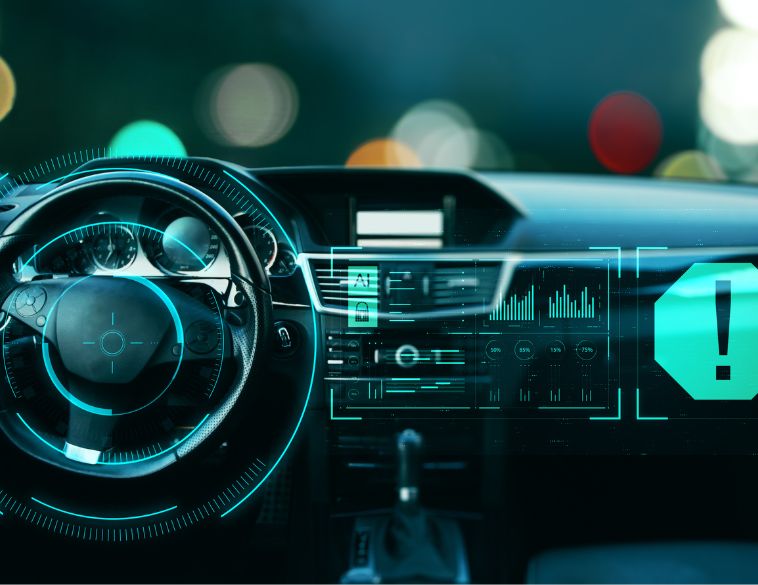
The future of mobility depends on how effectively vehicle data is captured and processed. (Credit : Envato)
Intelligent vehicles, remote updates, self-diagnostics. Concepts once linked to science fiction are now part of everyday service operations.
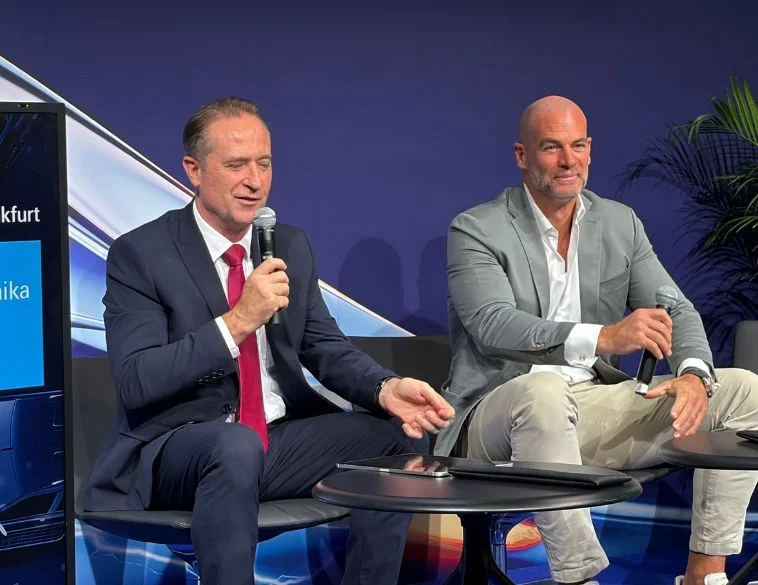
“Today, it is fair to say that almost anything is possible,” says André-Martin Hobbs, an entrepreneur who has worked in automotive technology and artificial intelligence for more than two decades. He adds that any discussion about these advances must acknowledge the scale of China’s influence. “If you look at the most cutting-edge technology in the world, much of it is happening in Asia.” With roughly 130 brands in operation and unmatched investment in research and development, China is now setting the global pace.
This momentum is accelerating change across the industry worldwide. North America remains one of the last regions holding back the wave, although Hobbs believes this will not last. Within three or four years, he expects Canadian and American drivers to benefit from the same level of innovation. While he admits that we are “significantly behind,” he points out that more intelligent and more connected vehicles are already making their way onto our roads.

“Communication has become far more proactive in recent years,” notes Jacques Olivier, President of Groupe Olivier Automobiles. The growing presence of 5G technology in new models is improving how information flows between the manufacturer, the dealership, and the vehicle itself. “Manufacturers now encourage us to activate the different onboard modems.”
The same evolution is taking place with mobile apps used by consumers. This interaction enriches the memory of these computers on wheels, which, as Olivier explains, “is essentially a data bank maintained by the manufacturer.”
Through these connected platforms, technicians can review a vehicle’s service history, identify a malfunction, and sometimes even provide an immediate diagnosis without even opening the hood. Olivier recalls a case involving a Ford Mustang Mach-E stranded on the shoulder of a highway. Unable to restart the vehicle, the owner called the dealership. Using the VIN, a specialist connected remotely, ran a full analysis, and determined within about fifteen minutes that the vehicle needed to be towed. The repair still had to be completed in the shop, but the remote connection eliminated many unknowns in advance.
For brands with a dedicated commercial division, these capabilities are even more developed. To reduce downtime, especially for heavy-duty trucks, some OEMs pair their connected services with mobile repair units. Before heading out, the technician connects to the vehicle to determine exactly which part needs replacement, ensuring that the repair can be completed more efficiently on site.

A tool that remains underused
Olivier believes that diagnostic capabilities remain underused and acknowledges that they are not yet part of standard procedure across all his dealerships. “We need to adjust our workflows so we can take full advantage of this type of communication.” He suggests that service advisors should routinely connect to the vehicle seventy-two hours before the appointment. This would allow them to check for additional work that may need to be done at the same time, such as stored fault codes or outstanding recalls. The process would indirectly “help capture more billable hours,” but, more importantly, it would provide a more accurate and personalized customer experience by identifying the vehicle’s real needs ahead of time.
This evolution does not mean traditional maintenance is disappearing. Hobbs explains that while vehicles contain more software that can be repaired remotely or updated automatically, the physical components still require in-shop service. Even autonomous vehicles that can self-diagnose and book their own appointments will still have to visit the dealership for anything involving fluids, routine maintenance, brake work, or tire replacement.
Hobbs adds that remote diagnostics, interventions, and updates align with what many consumers now want. “People prefer to delegate more and manage less when it comes to their vehicle.” They want fewer hassles, a smoother experience, and fewer unexpected issues. Preventive diagnostics support this trend. Thanks to sensors and real-time communication, a modern vehicle can detect an abnormal impact caused by a pothole, alert the driver to a potential problem, or issue a recalibration warning if an impact threshold has been exceeded. The system is not perfect, Hobbs admits, but it is constantly improving. “The data is there, the vehicles are transmitting it, and AI is learning from it.” He believes that artificial intelligence will eventually make preventive diagnostics “five thousand times more accurate.”
These technological advances represent both challenges and opportunities. Together, they allow consumers and dealerships to save time and increase efficiency. They also lay the foundation for a new communication model built on continuous, seamless exchanges that align with modern expectations.

JOBS
 |  RIVE-SUD DE MONTRÉAL RIVE-SUD DE MONTRÉAL Full time Full time |
 | MONTRÉAL Full time |
| MONTRÉAL Permanent |
 | BROSSARD Full time |
 | SAINT-BRUNO Full time |