
Bigger & Better
Autosphere » Tires » Editorial »
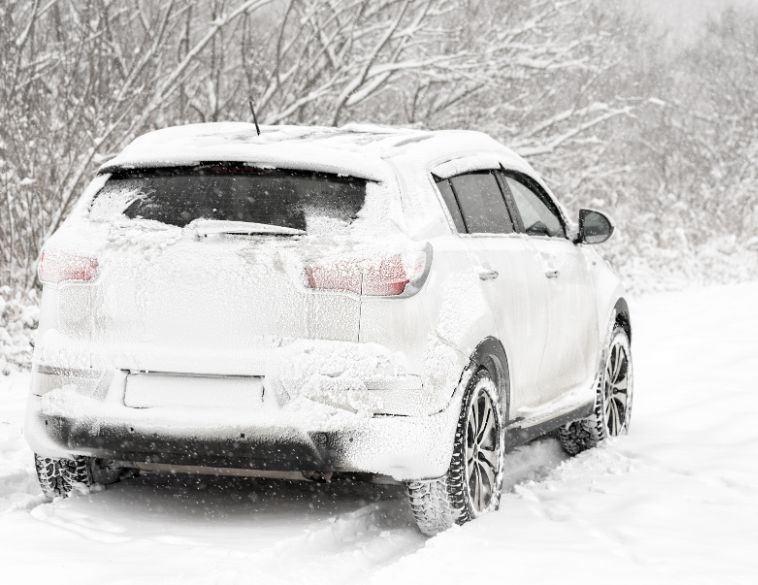
Canadian consumers know the benefits of winter tires, and they prioritize safety above all else.
With winter tire season just around the corner, retailers may be wondering what to expect, and which trends are shaping the market this year. Two words sum up the overall picture: bigger and better.
“We continue to see a shift toward vehicles with larger rim diameters, influencing fitment needs, and a sustained adoption of electric vehicles,” says Sabrina Garofalo, Senior Brand Manager for Michelin in Canada. “All Michelin winter tires are EV-ready, including hybrids and plug-in hybrids.”
James McIntyre, SVP Sales Canada/Product Development North America for Sailun Tire Americas agrees. “What I see is the need for winter lineups to be strong, and carry a good selection of larger rim diameters,” he says. “Everyone always used to downsize, but that has tapered off lately, and with modern vehicles having larger brake packages, larger rim diameters are necessary.”
Ugo Desgreniers, Product Strategy Director at Stox notes that, “tire manufacturers continue to add as many sizes as possible between 19 to 23 inches to cover the maximum number of vehicles in these rapidly growing sizes.”
He explains that in addition to larger rim sizes, Canadians are looking for quality. “A tire that meets the safety expectations for winter driving is a priority,” he says. “In general, consumers have already experienced premium winter tires and have seen the real safety benefits in difficult conditions. For those who haven’t used this type of tire, it’s simply a matter of clearly explaining the advantages of choosing premium tires, and emphasizing that prioritizing their safety is an investment, not an expense.”
Selling peace of mind
Winter tires are all about safety and peace of mind. However, with the current economic climate, price also plays into each consumer’s purchase decision. “Consumers are increasingly looking for high-quality winter tires that deliver safety and performance in challenging conditions, all at an affordable price,” says David Pulla, President, Dynamic Tire. “They want reliable, effective products that provide peace of mind during harsh winter months, and we’re seeing a strong demand for tires that balance safety, durability, and value.”
Pulla explains that although price is an important factor, ultimately, winter tires are purchased to meet a specific need: safety. “Consumers want tires that provide confidence—trusting that they will keep them on the road, offer short stopping distances, and perform reliably in challenging winter conditions,” he says. “In addition to safety, there is also growing interest in tires with low rolling resistance for better fuel efficiency, but the primary focus remains on dependable performance and peace of mind during harsh winters.”
Michelin’s Garofalo notes that the need for safety is paramount. “Consumers want a tire that will make them feel most safe driving in winter conditions,” she says. “That is why tire performance is a top priority, particularly in snow and ice, when it comes to choosing a winter tire. Consumer studies have shown that when purchasing winter tires, confidence and performance are a stronger need than price. Value is also a focus for consumers who are looking for tires that not only perform, but last over time.”
All-weather vs. winter tires
While there’s no doubt that all-weather tires are gaining traction in the marketplace, there’s still a big demand for winter tires here in Canada. “All-weather tires are gaining popularity among consumers, particularly in urban areas and among end users with minimal travel, who value the convenience of year-round solutions,” says Dynamic Tire’s Pulla. “However, it is highly recommended to use dedicated winter tires for optimal safety and performance during harsh winter conditions.”
Diana Colosimo, Brand Development Manager at Yokohama Tire Canada agrees. “The majority of Canadians still prefer a dedicated winter tire,” she says. “A true winter tire is still the gold standard, when it comes to performance.”
Another key concern is extreme weather. “Canadians still prefer a dedicated winter tire based on the conditions in Canada, especially given the occurrence of more pronounced weather conditions, including heavier snow and ice,” adds Michelin’s Garofalo.
That said, Yokohama’s Colosimo explains that there’s a place for both all-weather and winter tires, depending on each customer’s needs and driving habits. “If a customer comes in and says that they only drive to the grocery store and back once a week, but want more traction than an all-season tire, just in case there’s a snowfall, then all-weather tires could be the answer,” she says. “However, if they have a son or daughter who goes to university three hours away, and drives home every weekend, then a good set of winter tires would be the better option.”
Dynamic Tire’s Pulla agrees. “The choice largely depends on individual driving needs and regional climate severity, but overall, dedicated winter tires remain the preferred option for winter driving and challenging conditions,” he says.
Ugo Desgreniers from Stox explains that all-weather tires should remain an alternative only for consumers who drive in milder winter conditions and who currently use all-season or summer tires, but are looking to improve their safety during the few times a year they face snow or ice. “These consumers are not interested in switching to winter tires, or in changing tires twice a year,” he says. “They are relatively easy to identify and target.”
The benefits of winter tires are clear, and Desgreniers says that once a driver has experienced the added traction and performance of a true winter tire, it’s difficult for them to be content with anything less.
“Drivers who have already used winter tires very rarely switch to all-weather tires,” Desgreniers concludes. “Safety during winter driving remains—and will continue to be—the top priority for consumers driving in nordic conditions.”
In The Spotlight

JOBS
 |  QUÉBEC QUÉBEC Full time Full time |
 | LAURENTIDES Full time |
 | BROSSARD Full time |
 | LAVAL Permanent |