
Will Specialization Define the Future of Body Shops?
Autosphere » Collision » Editorial »
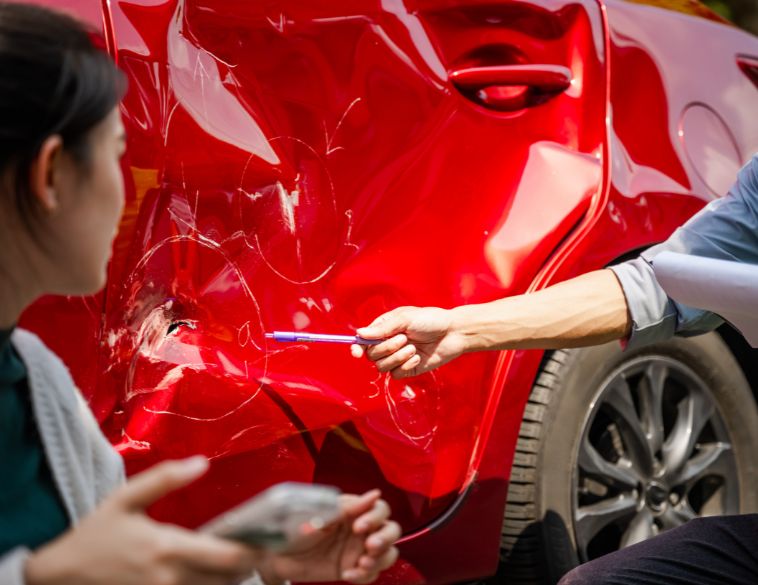
Sensors, electric vehicles, new materials. Today’s body repair industry no longer resembles what it once was. Faced with this technological shift, the trade is transforming quickly, which raises an important question. To keep up with the pace and stay competitive, will shops need to specialize to survive?
At the outset, it is important to define what is meant by specialization. According to the Office québécois de la langue française, it is “training designed to strengthen, develop, and deepen the practical abilities and knowledge acquired during basic training in order to raise skills to the level required to practise a specific profession.” In other words, it encompasses the full range of learning that improves expertise in a precise branch such as electric and hybrid vehicles, European or Asian models, luxury cars or exotic vehicles.
To this must be added the notion of certification, a “process by which a product, service, or organization is recognized, after verification, as meeting the requirements or standards of a competent independent authority or accredited assessment body.” Earning this recognition may involve mandatory training and the purchase of specialized equipment.
“Specialization is inevitable,” says Jonathan Pilon, President of the Corporation des carrossiers professionnels du Québec (CCPQ). This necessary step, essential for the long-term survival of body shops, stems from several factors, he explains. These include the growing complexity of vehicles, shop differentiation and profitability, relationships with insurers and OEMs, labour shortages, and the ecological and technological transition.
Vehicles are not only increasingly complex, they sometimes require very specific tools that ensure repairs meet manufacturer standards. Without the proper certification, some brands are quick to restrict access to OEM parts for shops that do not hold it, which is already true for Tesla. More and more insurers also require shops to be certified by the manufacturer in order to be part of their referral lists. At present, these lists are based more on performance indicators such as capacity, cost control, turnaround time, customer intake, and customer experience than on compliance, notes Pilon. He adds that this approach, where “quantitative measures outweigh qualitative ones,” should place far more emphasis on expertise.
However, one does not exclude the other according to Philippe-André Bisson, who held the position of Director of Marketing and Communications at the Fix Network at the time of the interview. He pointed out that the highest performing shops in the network are those that specialize, notably in European brands or electric vehicles. To support their members in this process, the network offers competitively priced training at one of its three centres. The banner views certification as “a long-term investment.” Besides improving shop ranking within referral systems, certification strengthens technicians’ skills, improves repair quality, and reduces accident risk. Repairs completed according to OEM specifications ensure a safer vehicle and better customer satisfaction.
Manual intelligence
This increased competency is also a powerful tool for attracting and retaining skilled workers during a labour shortage. In an upcoming study, Innoviste introduces the concept of “manual intelligence” to describe this valuable resource based on practical know-how that must be recognized. According to Pilon, this research will provide a complete picture of the sector by supplying data and statistics that have been missing until now.
However, every expertise comes with a cost, both financial and human. The human cost, while temporary, is significant because production inevitably drops when an employee must step away for training. The financial cost can be considerable and the return on investment may take several years.
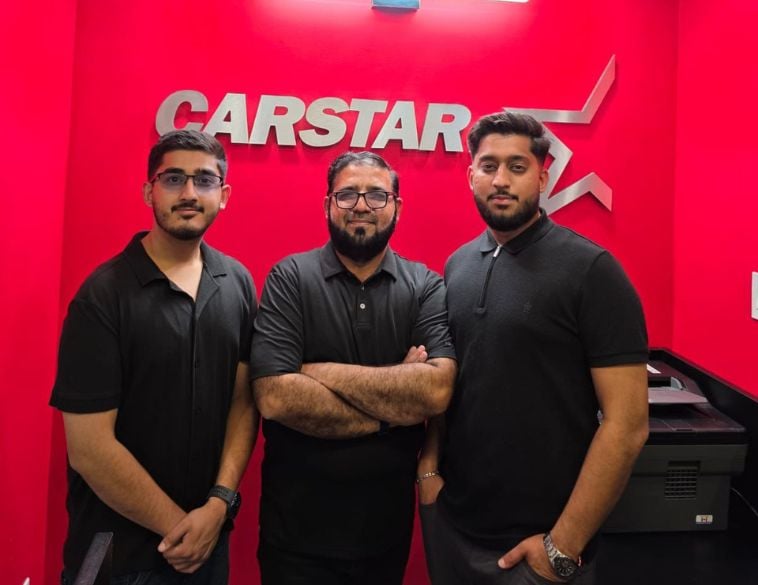
In an internal study, Claude Gravel, Senior Regional Operations Manager for CARSTAR, estimates that a shop will need to invest close to $240,000 to obtain certification for one or several OEMs. Larger businesses with annual revenues of about $2.5 million are in a better position with a return on investment of roughly five years. Smaller locations with more modest turnover will face a longer payback period.
Gravel bases his estimate on a median labour rate of $70 per hour plus an additional ten dollars to account for the incentive offered by some insurers to certified shops. Only a few insurers currently use this incentive although the trend is expected to grow. Pilon anticipates that certification will become a standard requirement within the next two to five years.
However, not everyone is equally equipped to face the technological wave about to hit the collision repair sector. According to the CCPQ president, shops with fewer resources or those whose owners are nearing retirement may choose to forgo certification and continue operating without major changes. These “complementary network” shops would handle generic and older vehicles.
A double standard
As in the medical field, generalists and specialists will coexist for a time, each fulfilling a specific role. Generalists will take on basic repairs and specialists will handle the more complex ones. This dynamic fits the current market reality. Gravel notes that even though the number of vehicles on the road has increased, shop visits have not followed the same trend.
Remote work remains popular and tighter household finances mean that after an accident, “people no longer file claims and choose to keep their damaged vehicle.” This behaviour stems directly from rising deductibles as drivers seek to reduce monthly insurance premiums. As a result, the Québec vehicle fleet is getting younger, 6.1 years in 2025 compared to 6.9 in 2024. “There are no more middle-aged vehicles. It is either brand new or very old.”
This explains how the “complementary network” can continue to carve out its share of the market. However, “in the medium and long term, the future belongs to those who choose a clear and specialized path,” Pilon insists. Gravel agrees. “A dent repair technician or body repair technician who truly cares about their trade has no choice but to specialize if they want to stay in business. The right equipment is essential for safe and compliant repairs.”
Besides having to manage new technologies, body shops are preparing to take on another major challenge. They must not only perform repairs at the best possible cost, they must also do so with minimal carbon impact. This specific skill, which few possess, “will become an issue,” Pilon warns.
In the end, the conclusion is clear. Specialization is no longer optional, it is essential. Even though several factors slow its adoption such as insurer recognition, CCC certification, major investment, and long ROI, the benefits are substantial. They help strengthen a shop’s reputation and support its survival in the medium and long term. Ignoring this “opportunity” amounts to self-exclusion from the market for newer vehicles.
In a rapidly changing industry, body shops no longer have the luxury of standing still. The trade is evolving, expectations are shifting, and those who adapt will see the rewards. The question is no longer about following trends but about choosing a clear direction and committing to it fully. Beyond the challenges, one truth remains. In a market undergoing transformation, where technology is advancing faster than ever, expertise is the only true guarantee of longevity.

JOBS
 |  DORVAL DORVAL Full time Full time |
| ST-HUBERT Full time |
 | MONTRÉAL Permanent |
 | SASKATOON Full time |
| MONTRÉAL-NORD Permanent |