Navigating Modern Repair Complexity
Autosphere » Collision »
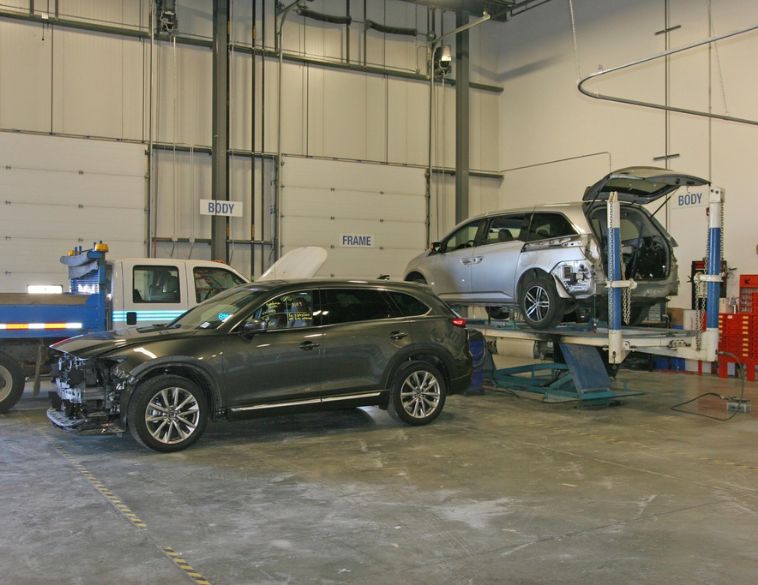
Modern vehicle complexity, requires careful consideration in training, equipment and processes. (Credit : Huw Evans)
Being proactive when it comes to training and investment is key in today’s shop environment.
Vehicle complexity has changed the game for collision repairers. Gone are the days when vehicles were largely constructed from mild steel. Today, a good number of cars and trucks use ultra-high-strength steel (UHSS), as well as aluminum, composites and even carbon fibre.
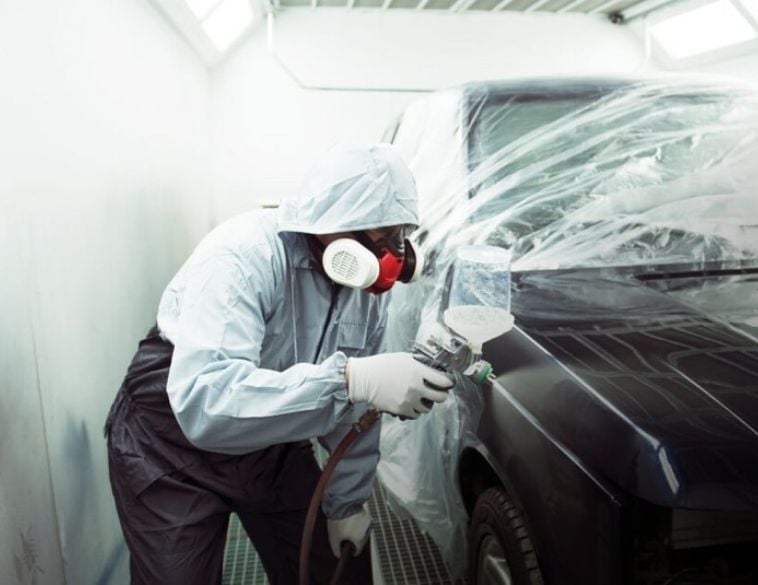
For collision centres, this means that not only do technicians need to be qualified and properly trained to work with these different substrates, but also that the shop makes the right investments in equipment as well as having separate, designated areas for performing specific repairs to prevent contamination and health and safety issues, such as when working with aluminum or carbon fibre.
Handle with care
Additionally, the increasing number of electric vehicles needing repair also require specific considerations and procedures. They need to be handled carefully, and not only do shops and technicians need to have the right equipment and training for handling high-voltage electrical systems, but collision centres also need to ensure that these vehicles are stored in a way to prevent issues such as thermal runaway which can be caused by damaged battery packs.
Additionally, when it comes to repair techniques, bonding and riveting are becoming the norm, rather than the exception. That’s why it’s critical that shops stay on top of training when it comes to their technicians.
You don’t know what you don’t know
At Budds’ Collision Services, they’ve made major investments in training and OEM certification. When it comes to today’s vehicles you don’t know what you don’t know, which is why clear communication and education among all stakeholders is key to performing a successful and safe repair.
Things have changed dramatically, even within the last 10 years and the tools and training required today mean that OEM certification is no longer an option, but an essential part in performing modern vehicle repairs. The investments required can seem daunting, but resources such as I-CAR can provide significant benefits, plus today, when you gain one OEM certification you can frequently add others, since a good deal of the equipment and procedures required are similar as is the auditing process.
Clear communication
For business owners, making major investments can be challenging, especially if they can’t see the ROI, but that’s half the battle. Often, an even bigger consideration is ensuring that you’ll get paid for making that investment and the only way you can do that is by clear communication and having each stakeholder in the repair process firmly on the same page.
There have been countless instances where friction has been generated between the collision centre and the insurer, because the shop didn’t properly document or inform the insurer regarding the repair and what’s involved. That’s why estimators and adjusters, need to be fully aware of the process, so that each part of the repair is understood. Not only does this reduce the risk of supplements, it also prevents poorly executed repairs and reduces potential liability (a good example are ADAS calibrations, which can be deadly if not performed to factory requirements).
Focusing specifically on training, it can seem a daunting task to keep up with the rapid advances in vehicle technology and ever-changing repair requirements. One way you can optimize training is by understanding your customer base and the types of vehicles you most frequently work on. Another is ensuring your technicians are familiar with these vehicles and focusing your efforts on targeting one or two OEM certifications at a time.
Staying on top
When you’ve become fully certified with one brand, it’s easier to roll that into others. A good strategy is to allocate select technicians to specific brands and then making sure your managers are fully versed so that they can stay on top of training requirements, since new training is constantly being introduced.
Once you’ve created a process like this, it becomes easier to stay current and maintain that high audit score level. Furthermore, seize every opportunity for your technicians to enrol in a new program or module, particularly during times when business is slower. Yes, it can seem scary, particularly when revenue and cashflow is down, but it is far easier being prepared for when business picks up (such as during the winter months) than having your technicians and apprentices struggle because you didn’t make the investments needed when work was slower.

JOBS
 |  MASCOUCHE MASCOUCHE Permanent Permanent |
 | GRANBY Full time |
 | RIVE-SUD DE MONTRÉAL Permanent |
| SALABERRY-DE-VALLEYFIELD Full time |
 | ONTARIO Full time |