
Why Foreign Workers Are Essential to Body Shops
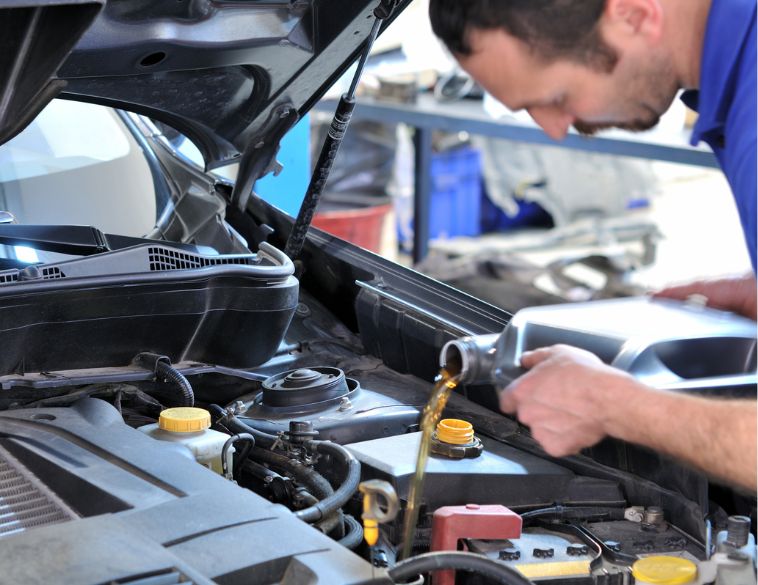
Foreign workers are a key part of the solution to the skilled technician shortage. (Credit : Shutterstock)
The coming months will be pivotal in shaping the future of foreign workers in our industry.
The issue of Temporary Foreign Workers (TFWs) clearly illustrates why having a strong association like the CCPQ is essential for representing the interests of Québec’s collision repair business owners.
While the topic is complex and comes with its share of challenges, we’ve taken concrete steps by forming a dedicated committee made up of CCPQ member shop owners and developing a strategic plan to ensure our concerns are heard by key government decision-makers.
We’ve also met with most insurance companies in Québec to highlight how important it is to retain this foreign workforce. For many shops, it’s a question of survival.
Unless something is done and changes are made to current government regulations, the issue will soon grow beyond our industry. Foreign workers play a vital role in every sector of the Québec economy. Nearly 35% of our current workforce is made up of foreign workers—and in some regions, that number climbs to over 50%.
The collision repair industry has been grappling with a labour shortage for years. While various efforts are underway and evolving, the real question is: how will we replace 35% of our workforce in the next two years, not to mention the wave of retirements expected over the next decade?
In the next 10 years alone, 62% of our body repair techs, 43% of our painters, and 70% of our dual-role technicians are set to retire. And while artificial intelligence continues to advance, there’s no robot out there that can do what these skilled workers do.
A Collaborative Approach
The CCPQ is also partnering with the CPAs, CPCPA and Innoviste to support, streamline and accelerate the recruitment of new local talent. But even with those efforts, it’s still not enough to meet the urgent demand.
And it’s not just about finding workers—it’s about finding people with the right skills and training to handle today’s increasingly complex vehicles.
Recent government changes have added another layer of difficulty. For example, low-wage TFWs must now be paid at least $34.62 per hour. That’s a significant increase, and it’s having a major financial impact on our shops.
CCPQ shop owners, especially in Greater Montréal, are reporting that this requirement has pushed up their overall payroll costs by nearly 10%, just to keep their employees.
That’s why the CCPQ is working closely with other key players in the automotive sector to urge both provincial and federal governments to recognize the vital role foreign workers play in keeping our shops running and ensuring consumers have access to the services they rely on for their mobility.
We’re proud to be aligned with AIA Canada and the Corporation des concessionnaires d’automobiles du Québec as we push this top-priority issue forward for the good of the entire industry.


JOBS
 |  DORVAL DORVAL Full time Full time |
| ST-HUBERT Full time |
 | MONTRÉAL Permanent |
 | SASKATOON Full time |
| MONTRÉAL-NORD Permanent |