
Fraudulent Vehicle Financing Exports Jump 72% at Canadian Ports
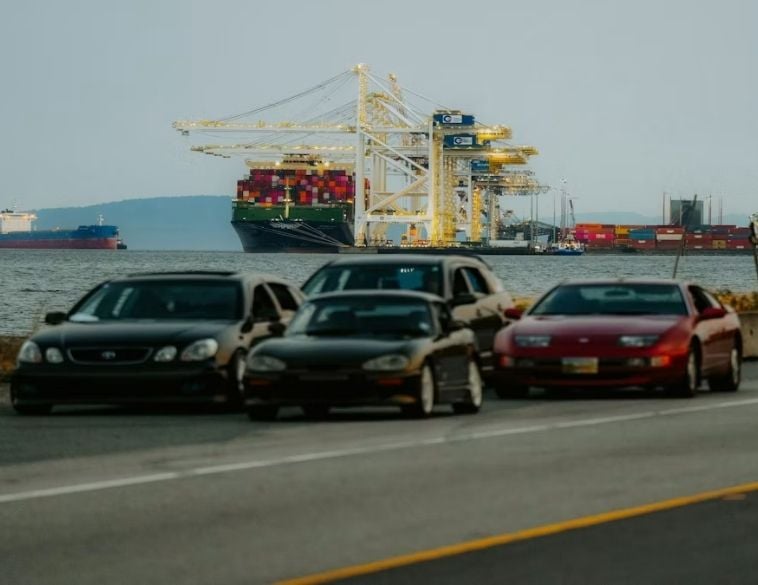
Organized crime networks are increasingly targeting Canada’s vehicle financing system to ship fraudulently acquired cars overseas through major ports like Montreal and Halifax.
Border verification gaps allow organized crime networks to export fraudulently financed vehicles overseas, threatening to increase auto credit costs for Canadian consumers.
Organized crime networks are increasingly targeting Canada’s vehicle financing system to ship fraudulently acquired cars overseas through major ports like Montreal and Halifax. A new report by the Canadian Finance & Leasing Association (CFLA) titled Fraudulent Financing and Illegal Vehicle Exports reveals a 72 percent year-over-year surge in fraudulently financed vehicles directed toward international export.
Industry leaders point to an information deficit at the border rather than a lack of enforcement authority. While the Canada Border Services Agency possesses legal powers under the Customs Act to detain suspicious shipments, officers currently lack real-time access to provincial lien and financing registries. CFLA President and CEO Michael Rothe notes that while law enforcement has improved its response to traditional vehicle theft, criminal networks have shifted tactics to exploit this financial verification blind spot.
For automotive dealerships and lenders, the rise in finance fraud presents direct commercial risks. Huw Williams, National Spokesperson for the Canadian Automobile Dealers Association (CADA), warns that unchecked finance exploitation could force lenders to tighten credit terms, ultimately making retail vehicle financing more expensive and less accessible across Canada. Both the CFLA and CADA are urging federal and provincial authorities to establish real-time data integration with border officials to curb financial losses and stabilize the domestic auto market.

JOBS
 |  QUÉBEC QUÉBEC Full time Full time |
 | MONTRÉAL Full time |
 | BROSSARD Permanent |
 | LAVAL Full time |