
Winter tires: one in two cars is fitted with worn tires
Autosphere » Tires » Press release »
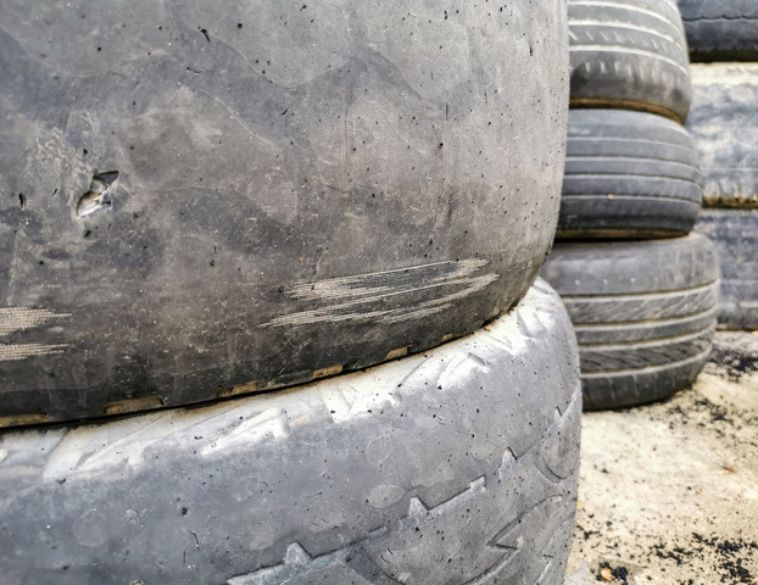
Winter arrived early this year, catching many motorists off guard and still on summer tires when the first snowfall hit at the beginning of November. Just a few days after the date when winter tires become mandatory, CAA-Quebec carried out an observation activity to determine what proportion of vehicles were driving illegally. The goal was also to assess the wear condition of winter tires.
After the initial snowfall, latecomers rushed to mechanical workshops, creating some chaos—so much so that some garages are fully booked until mid-December for tire installation. Fortunately, as of December 5, 100% of the vehicles examined by CAA-Quebec were equipped with winter tires.
“It’s a myth that installing winter tires too early will wear them out prematurely. Fitting your car for winter as early as October helps prevent unpleasant surprises when the first snow arrives,” says automotive expert Jesse Caron. This predictability also allows repair shops to prepare properly and ensure they have the resources needed to handle this busy season.
Tires “on their last legs”
Winter tires are mandatory in Quebec as of December 1, but they must also be in good condition and not too old. The observation activity revealed that far too many motorists are driving on tires that are in fair or even outright unsafe condition.
-
24% were equipped with tires in fair condition (6/32″ – 7/32″)
-
26% of vehicles were driving on tires in unsafe or dangerous condition (5/32″ or less)
-
50% had tires in good or very good condition (8/32″ or more)
Jesse Caron reminds drivers that “legally, the minimum tread depth is 2/32″ (1.6 mm). However, CAA-Quebec recommends starting the winter season with at least 6/32″.” Tire wear can easily be measured with a tread-depth gauge, a small tool that costs less than $10.
CAA-Quebec observers also came across aging tires whose manufacturing date was more than five years old. As tires age, the tread tends to harden, losing flexibility and reducing safety. Sidewalls may also start to crack and are more prone to splitting. After five years, it is strongly recommended to have your tires inspected annually by a specialist.
Good today, less effective tomorrow
The activity also revealed that 22% of vehicles examined by CAA-Quebec’s automotive experts were equipped with marginal or lesser-known tire brands—highlighting an important reality: these tires perform adequately during the first season but quickly show their limits. Loss of flexibility, increased road noise, reduced ability to evacuate water, and sometimes difficult access to after-sales service are all factors that can diminish safety and comfort over the years. This situation underscores the importance of being well informed before choosing your tires, regardless of your budget.
Tags : CAA Québec

JOBS
 |  MONTRÉAL MONTRÉAL Full time Full time |
 | BOISBRIAND Full time |
 | LAVAL Full time |
 | STE-AGATHE DES MONTS Full time |
| STE-AGATHE DES MONTS Permanent |