
Upgrading Aging Canadian Vehicle Fleet Performance
Autosphere » Mechanical »
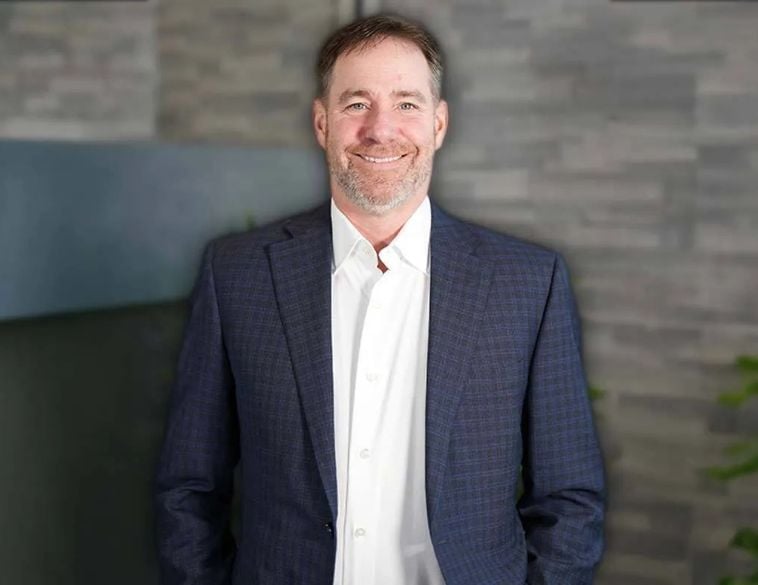
With North American vehicles averaging a record 12.8 years, the aftermarket is shifting from routine maintenance to the technical enhancement of replacement parts.
Integrating field failure analytics into replacement part manufacturing enables repair facilities to eliminate original equipment design weaknesses and safeguard fuel efficiency.
With the average age of North American light vehicles climbing to 12.8 years, the automotive aftermarket’s operational mandate is expanding from routine parts replacement to active engineering optimization. According to Dan Griffin, President of Aftermarket Solutions at PHINIA, cross-referencing real-world shop warranty data with advanced manufacturing techniques allows replacement component designers to upgrade baseline metallurgy, corrosion resistance, and operating longevity well after an original equipment vehicle production cycle ends.
For Canadian independent repair shop owners, diesel injection specialists, and replacement parts distributors, installing re-engineered components directly reduces expensive bay comebacks and unbillable diagnostic hours. Critical powertrain assemblies—including high-pressure common rail fuel injectors—require strict calibration and electronic module coding during installation to ensure that aging engines sustain factory combustion efficiency, reduce fuel consumption, and comply with emissions thresholds.
Connecting repair bay failure feedback with OEM-level supplier engineering also accelerates high-precision remanufacturing programs, conserving raw material inputs while curbing procurement expenses for cost-sensitive vehicle owners. For Canadian automotive service providers, deploying upgraded aftermarket components protects technician productivity, preserves client retention through enhanced durability, and extends the profitable operating lifecycle of aging passenger and commercial vehicles.
Tags : PHINIA

JOBS
 |  MASCOUCHE  Permanent |
 | NICOLET Full time |
 | SAINT-LAURENT Permanent |
 | TIMMINS Full time |
 | LAVAL Full time |